Mechanical Seal Repair vs Replacement – What Saves More Cost for Continuous Process Plants?
January 21, 2026•3 min read
Mechanical Seal Repair vs. Replacement
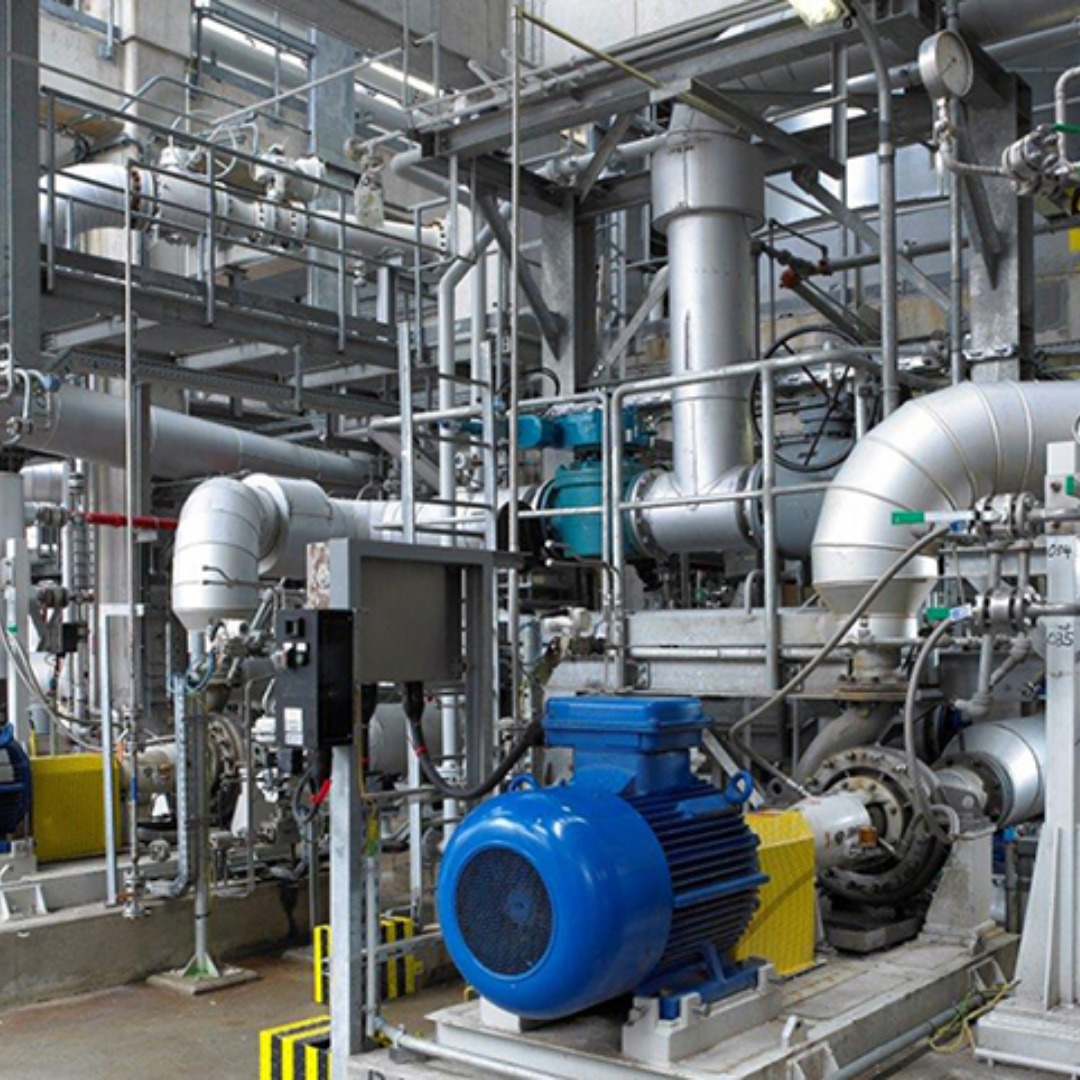
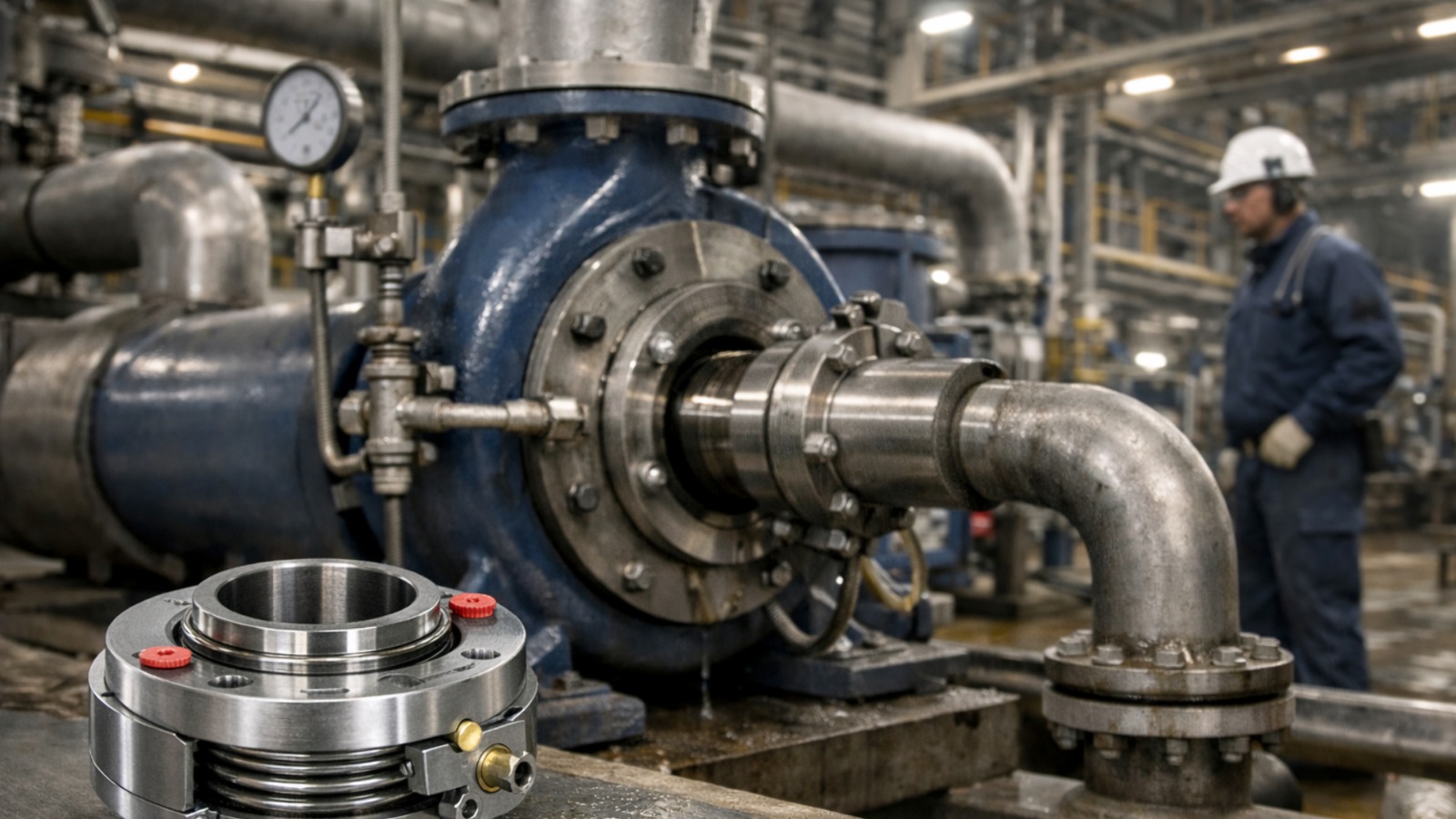
Continuous process industries such as pharmaceuticals, chemicals, refineries, food processing, dairy, mining, and water treatment depend on uninterrupted pump and agitator operation. In these environments, mechanical seal have a disproportionate impact on cost and reliability because seal failure often leads to unplanned shutdowns, contamination risk, safety incidents, and production losses that far exceed the cost of the seal itself.
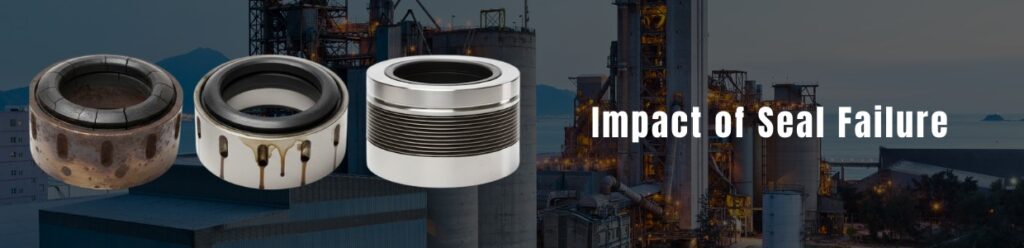
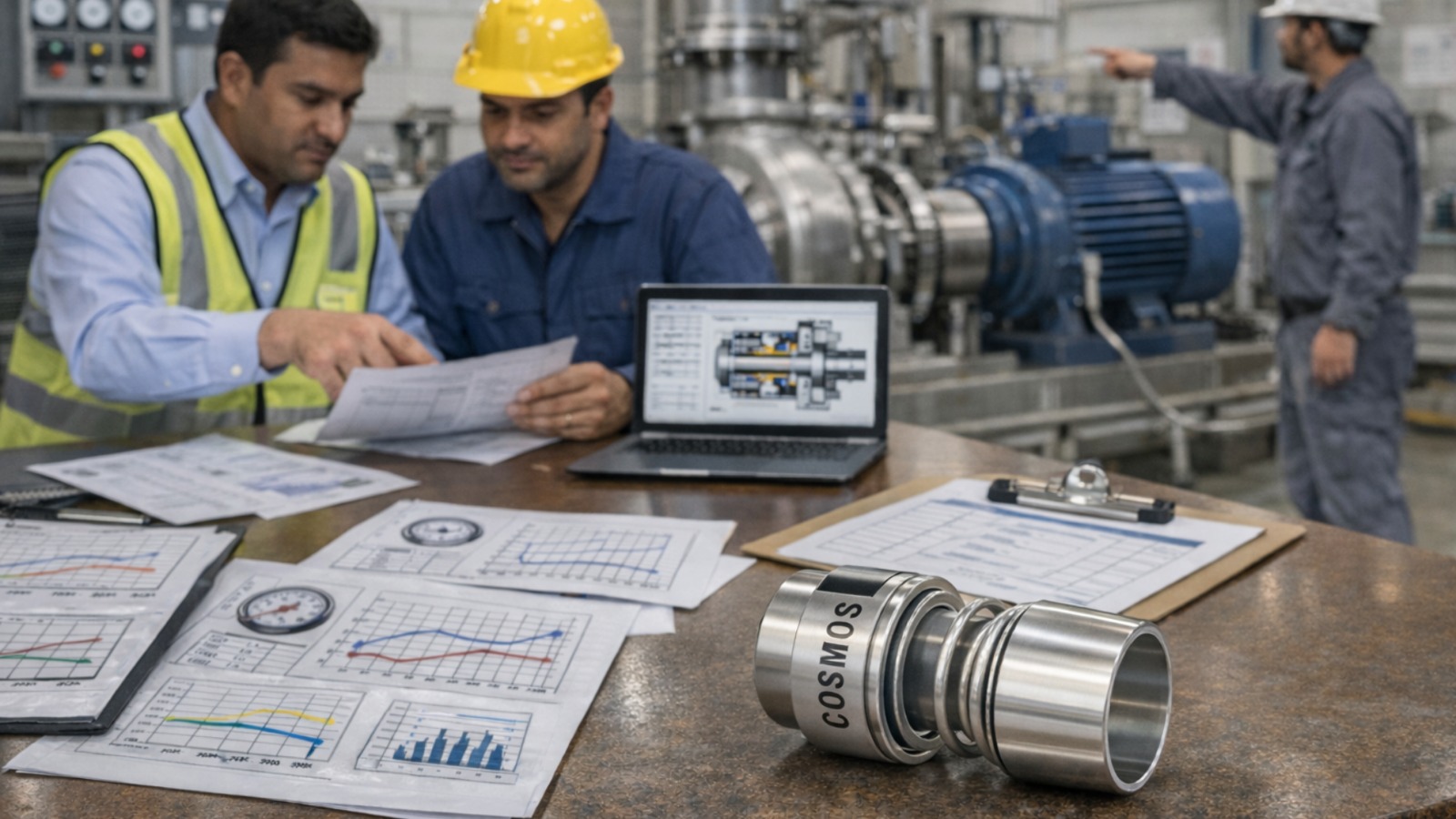
In many plants, sealing failure is the single largest contributor to unplanned downtime. This raises a critical strategic question for maintenance managers, procurement teams, and plant finance leaders: whether it is more economical to repair a failed seal or replace it entirely with a new assembly. The answer lies in understanding lifecycle cost, lead time, risk exposure, and duty conditions rather than focusing on upfront price alone.
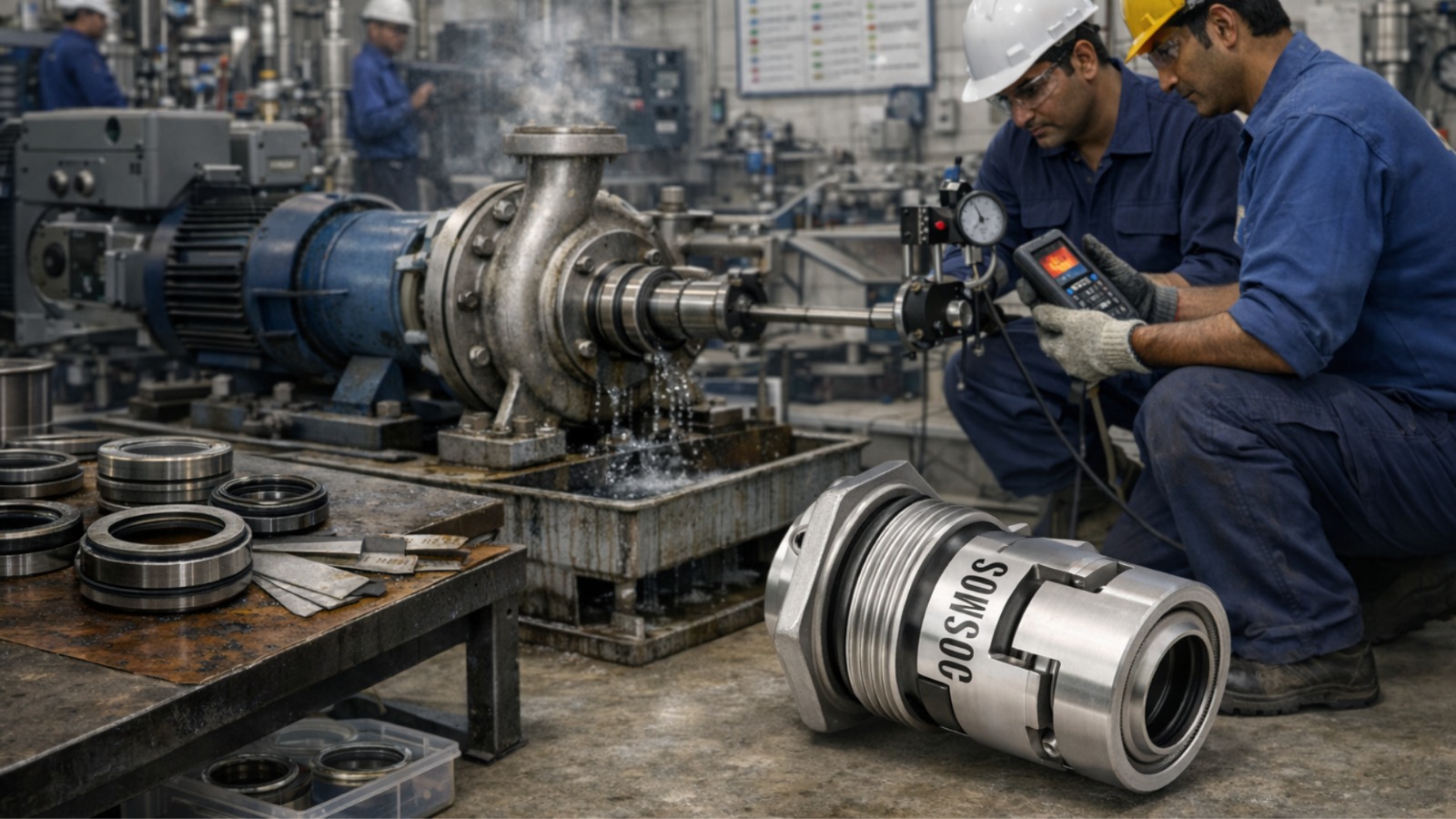
When a seal fails in a continuous process environment, production stops immediately. Batch integrity may be lost, cleaning and flushing cycles are extended, emergency spares are consumed, and safety reporting procedures are triggered. In high-value production environments, the cost of downtime can reach hundreds of thousands or even millions per day, making the decision between repair and replacement strategically important.Seals
Replacing a seal with a new assembly often involves waiting for availability, dealing with import lead times, paying OEM premiums, revalidating duty conditions, and absorbing freight and emergency procurement costs. For cartridge seals and agitator seals assemblies, replacement costs can be three to six times higher than repair, particularly when hardware and metallurgy are still structurally sound.
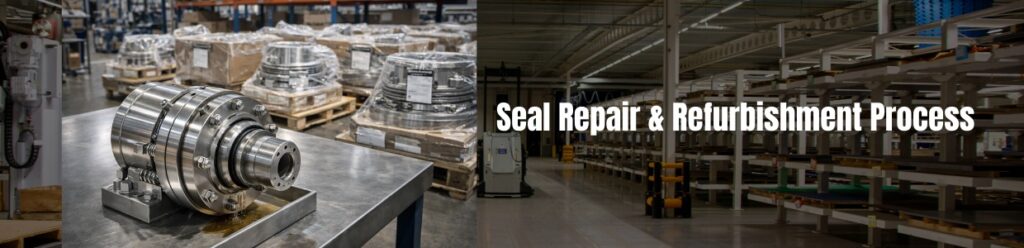
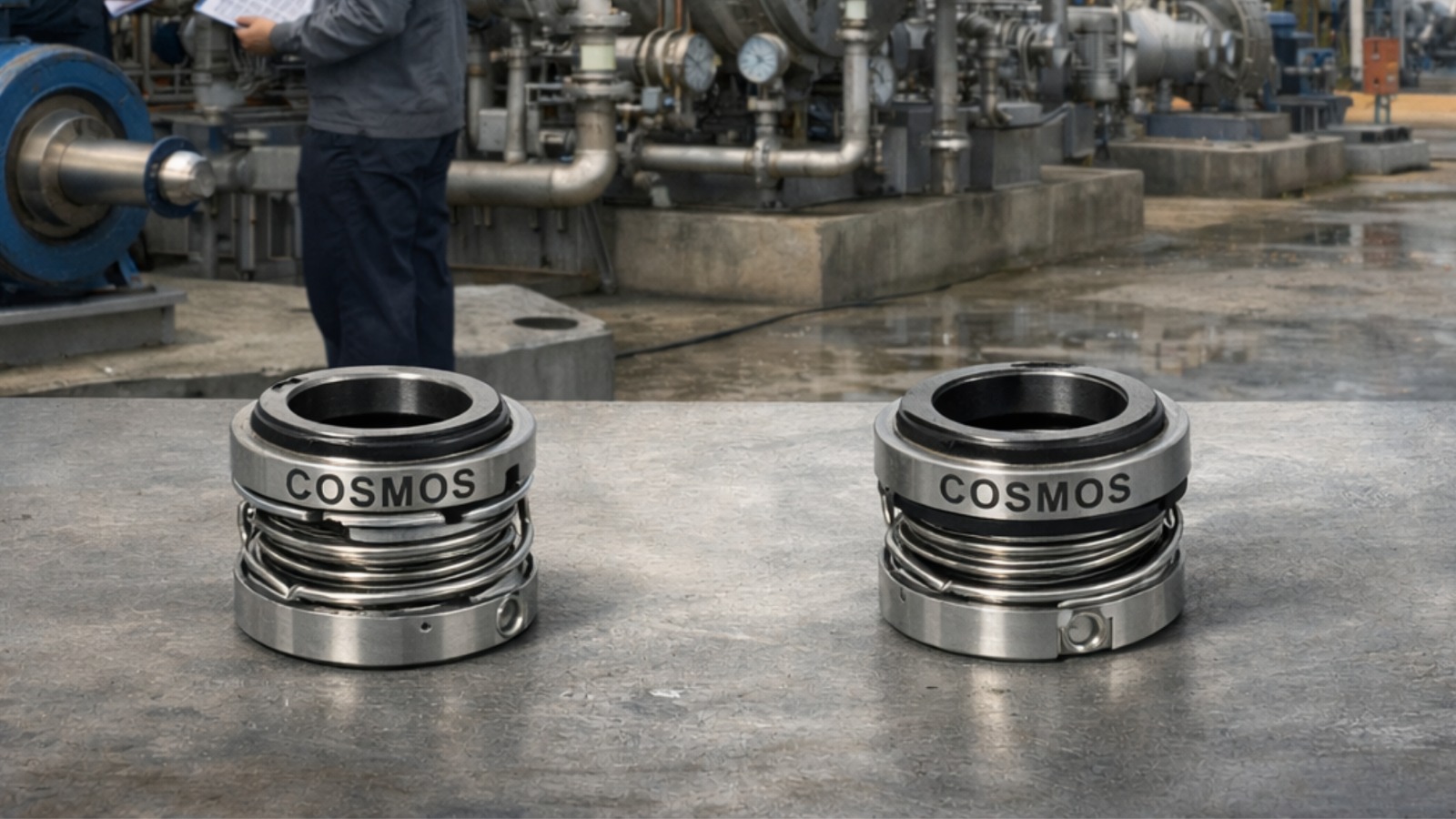
Professional seal repair and refurbishment, on the other hand, focuses on restoring sealing geometry rather than replacing expensive hardware. Through precision face lapping, dimensional correction, elastomer renewal, spring restoration, seat rework, and pressure testing, refurbished seals can perform at near-OEM reliability when structure remains intact. Repair typically delivers 50 to 80 percent cost savings, significantly shorter lead times, predictable shutdown installation, and reduced inventory pressure.
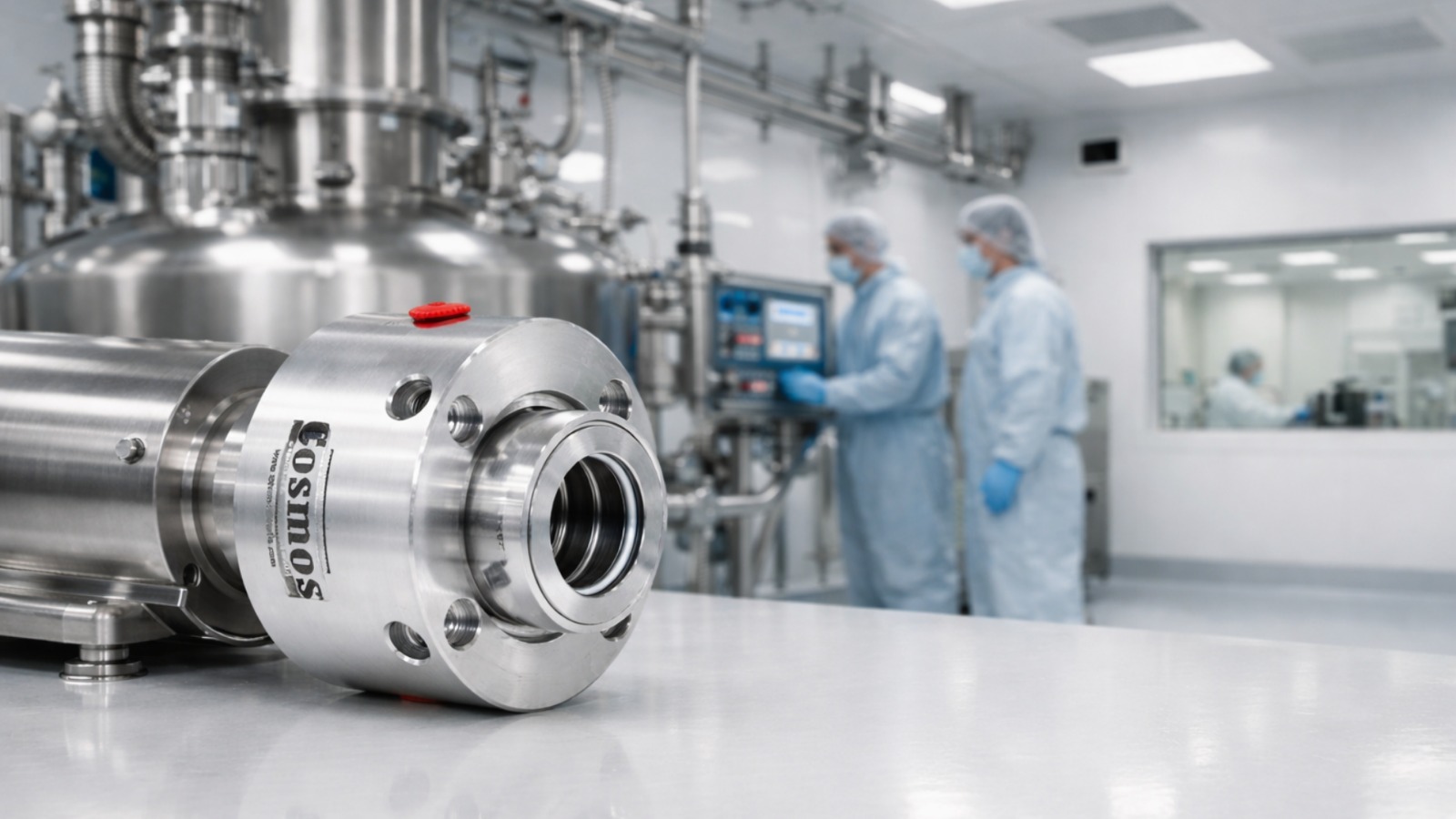
Repair is especially effective for double cartridge seals , agitator seals, slurry duty assemblies, hydrocarbon pumps, and sterile reactor applications, where the cost lies primarily in hardware rather than consumable components. In many continuous plants, repair becomes part of standard shutdown procedure rather than an emergency response.
Replacement remains the better option when structural damage is present, such as cracked metal bellows, shattered faces, severely corroded metallurgy, destroyed shaft interfaces, or when regulatory or duty conditions have changed significantly. Replacement also makes sense during process upgrades, compliance changes, or when operating pressures and temperatures exceed the original design envelope.
From a financial and inventory perspective, repair-first strategies significantly benefit CFOs and procurement leaders. Repair reduces capital lock-in, eliminates excessive spare stocking, improves budget predictability, lowers CAPEX requests, and transforms sealing from a capital-heavy spare strategy into a lean MRO model. Over multiple shutdown cycles, plants that adopt structured repair programs typically reduce sealing spend by 40 to 70 percent while improving reliability.
We are proud to share that Cosmos Seals India Pvt. Ltd. has been featured in Industry Outlook Magazine under the title: “Cosmos Seals India – A Trusted Manufacturer & Exporter Of Premium Quality Seals With Seamless Finish.” This feature highlights the company’s growing presence in the industrial sealing solutions sector and also recognizes the leadership […]
Cost vs Performance Balance For purchase managers, mechanical seals are often evaluated primarily on unit price, especially when procurement targets are cost-driven. However, mechanical seals are not commodity items; they are precision-engineered components whose performance directly influences equipment uptime, safety, and maintenance costs. A lower-priced seal may appear attractive during procurement, but if it is […]
Overview of Pump Sealing Systems Industrial pumps operate in demanding environments where controlling fluid leakage is essential for safety, efficiency, and equipment longevity. Pump sealing systems play a critical role by preventing process fluids from escaping along the rotating shaft while allowing smooth, reliable operation. Among available sealing options, mechanical seals are the most widely […]
Why Seals Fail Prematurely Premature Mechanical seal Failure is one of the most persistent reliability challenges in industrial operations. Mechanical seals are engineered components designed to operate under tightly defined conditions, yet in real-world environments, they are often exposed to variables that exceed their design assumptions. When this happens, even high-quality seals can fail much […]
Hygiene and Sterility Requirements Pharmaceutical manufacturing demands absolute control over contamination, making mechanical seals a critical component in maintaining sterile processing environments. Any leakage, crevice, or material incompatibility can compromise product quality and lead to batch rejection, regulatory scrutiny, or costly production downtime. Mechanical seals used in pharmaceutical applications must be designed with smooth surfaces, […]
Introduction: Sealing Requirements in Material Handling Systems Modern factories, warehouses, distribution centers, ports, and logistics facilities depend heavily on Material Handling Industries. Equipment such as conveyors, transfer pumps, mixers, hydraulic units, and bulk handling machinery operate continuously to move liquids, slurries, lubricants, chemicals, and processing fluids. In these systems, mechanical seals play a crucial role […]