Top Causes of Mechanical Seal Failure and How to Prevent Them
February 20, 2026•5 min read
Why Seals Fail Prematurely
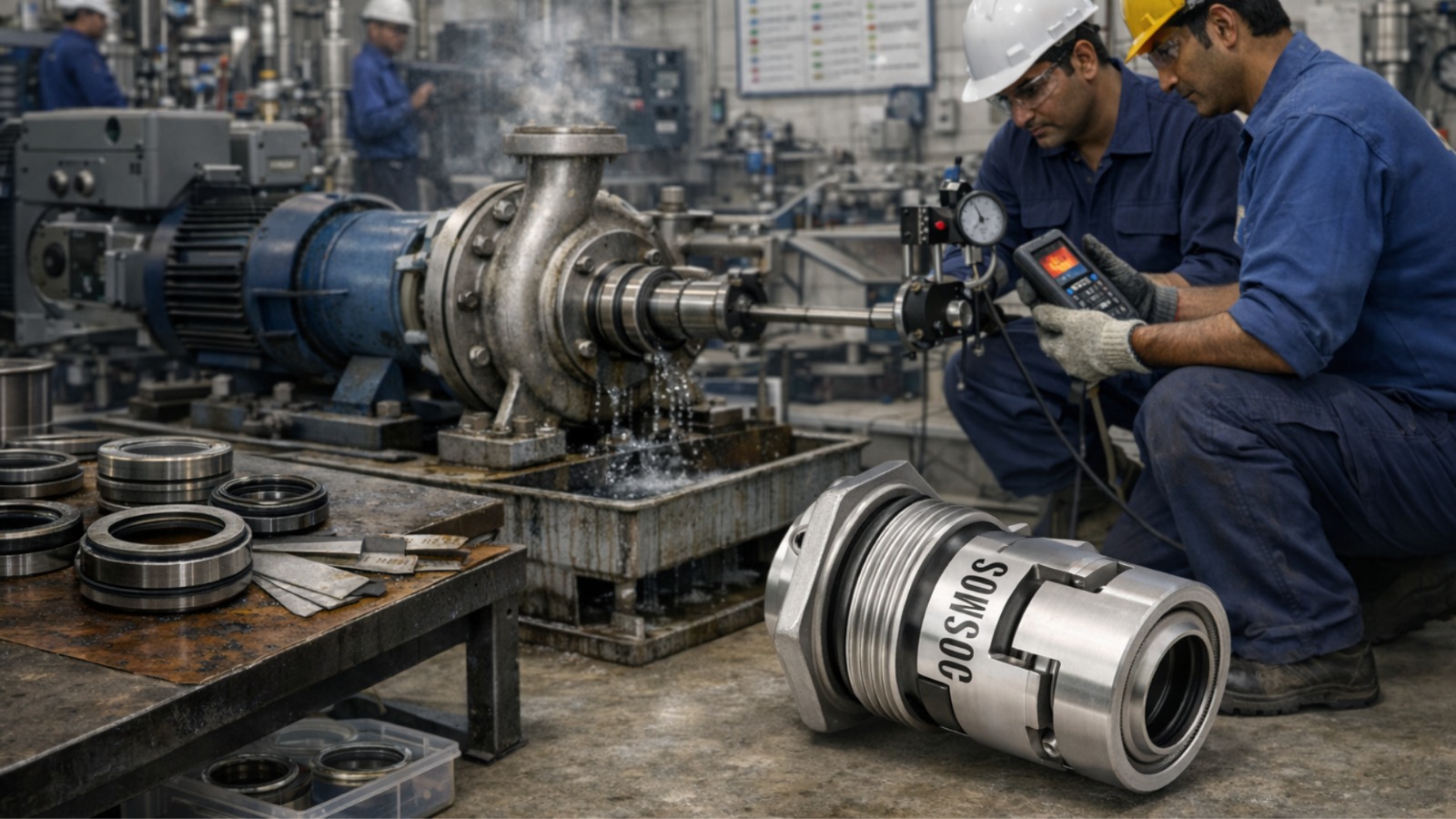
PrematureMechanical seal Failureis one of the most persistent reliability challenges in industrial operations. Mechanical seals are engineered components designed to operate under tightly defined conditions, yet in real-world environments, they are often exposed to variables that exceed their design assumptions. When this happens, even high-quality seals can fail much earlier than expected.
A common misconception is that seal failure is always due to poor manufacturing quality. In reality, most mechanical seal failures are the result of incorrect application, improper handling, or changes in operating conditions that were never accounted for during selection. Seals operate at the interface of pressure, temperature, speed, and fluid dynamics, making them highly sensitive to system-level issues.
Understanding why seals fail prematurely allows maintenance teams and purchase managers to move away from reactive replacement cycles and toward preventive reliability strategies. Identifying root causes not only reduces downtime but also lowers total lifecycle costs and improves equipment safety.
Installation-Related Failures
Incorrect installation remains one of the leading causes of early mechanical seal failure. Even a well-designed seal can fail rapidly if it is installed without proper alignment, cleanliness, or setting accuracy. Common installation issues include improper shaft runout, incorrect setting length, uneven tightening, and contamination of seal faces.
Seal faces are precision-lapped surfaces, and even minor scratches or fingerprints can disrupt the fluid film that allows them to operate correctly. Handling seals without proper care, using incorrect tools, or deviating from recommended installation procedures often results in immediate leakage or accelerated wear.
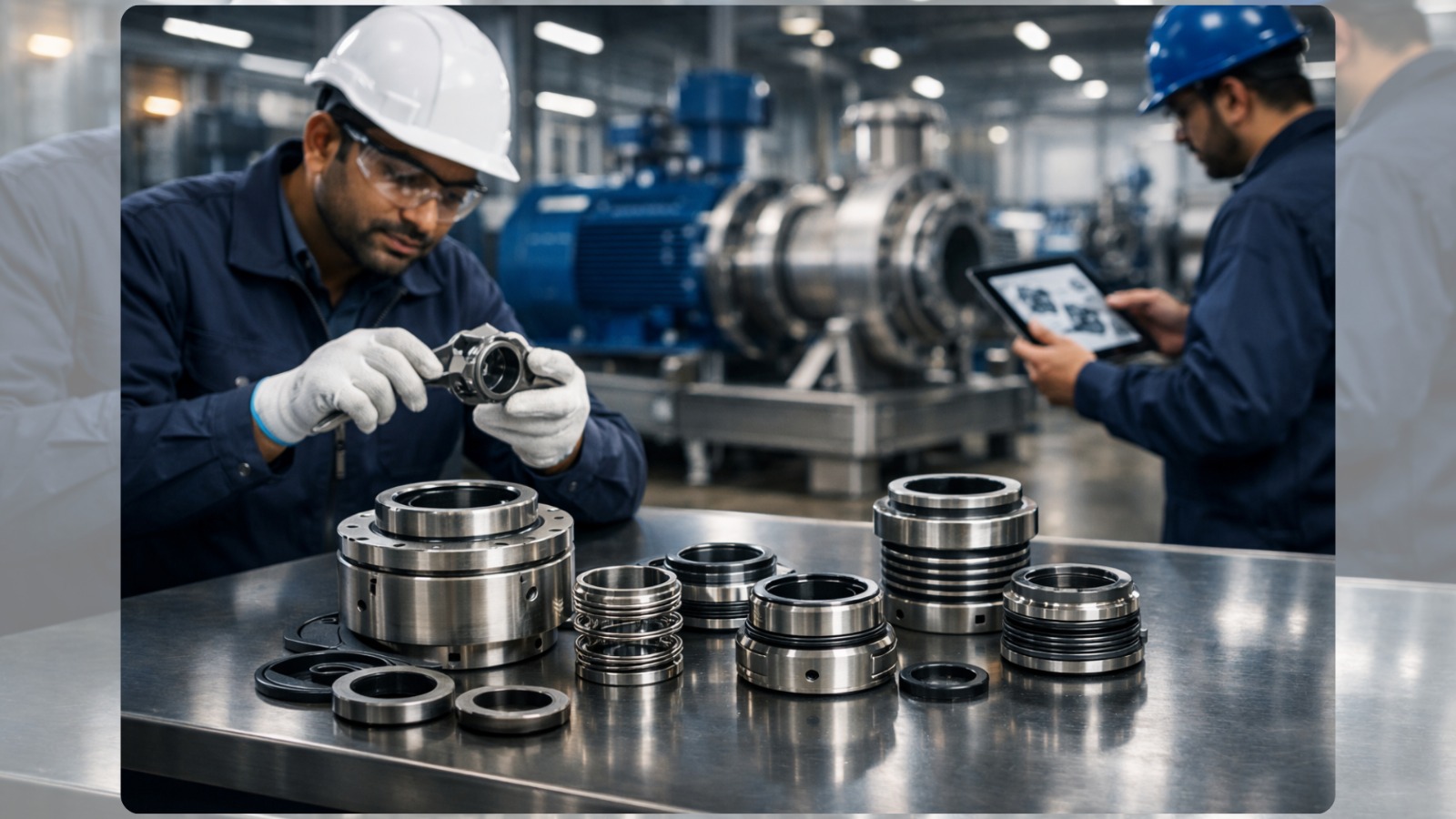
The use of cartridge mechanical seals significantly reduces installation-related risks. Because cartridge seals are factory-assembled and pre-set, they minimise human error and ensure consistent installation quality. Manufacturer-provided installation support and training further enhance reliability, especially for critical or high-speed equipment.
Operating Condition Mismatches
Operating condition mismatch is another major contributor to mechanical seal failure. Seals are selected based on specific assumptions related to pressure, temperature, speed, and fluid properties. When actual operating conditions exceed these assumptions, excessive heat generation and face wear occur.
Dry running, frequent start-stop cycles, pressure spikes, or sudden temperature changes can all destabilise the sealing interface. In many plants, operating conditions evolve over time due to process optimisation, capacity expansion, or fluid changes, while the mechanical seal remains unchanged.
Without reassessing seal suitability, seals continue to operate outside their intended design envelope. Manufacturers who analyse real operating conditions and recommend appropriate industrial mechanical seals help prevent these mismatches and significantly extend seal service life.
Material Selection Issues
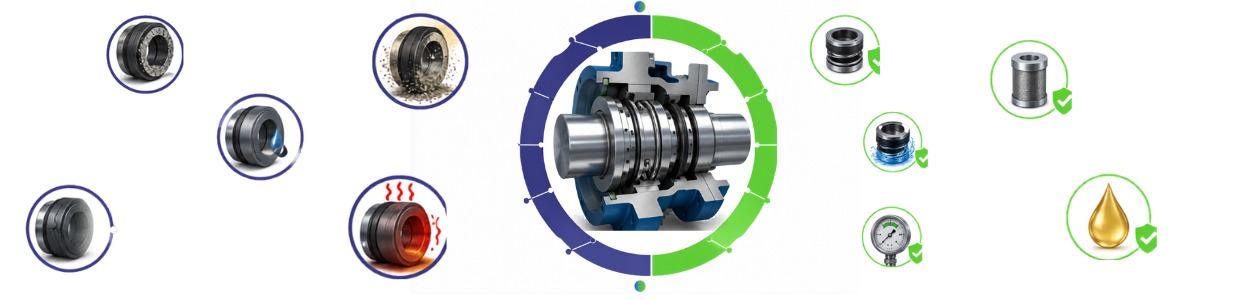
Incorrect material selection is a critical but often overlooked cause of mechanical seal failure. Seal face materials must be compatible with the pumped fluid, operating temperature, and pressure, while elastomers must resist chemical attack, swelling, and thermal degradation.
Using standard materials in aggressive chemical environments often leads to corrosion, blistering, or face degradation. Similarly, abrasive or slurry-based applications can rapidly wear softer face materials, resulting in leakage and loss of sealing integrity.
Inadequate maintenance practices can significantly shorten mechanical seal life. Poor flushing arrangements, insufficient lubrication, and contamination build-up around the seal area contribute to overheating and accelerated wear.
Mechanical seals rarely fail in isolation. Bearing wear, shaft vibration, or misalignment elsewhere in the equipment can directly impact seal performance. Ignoring these upstream issues often leads to repeated seal failures without addressing the underlying cause.
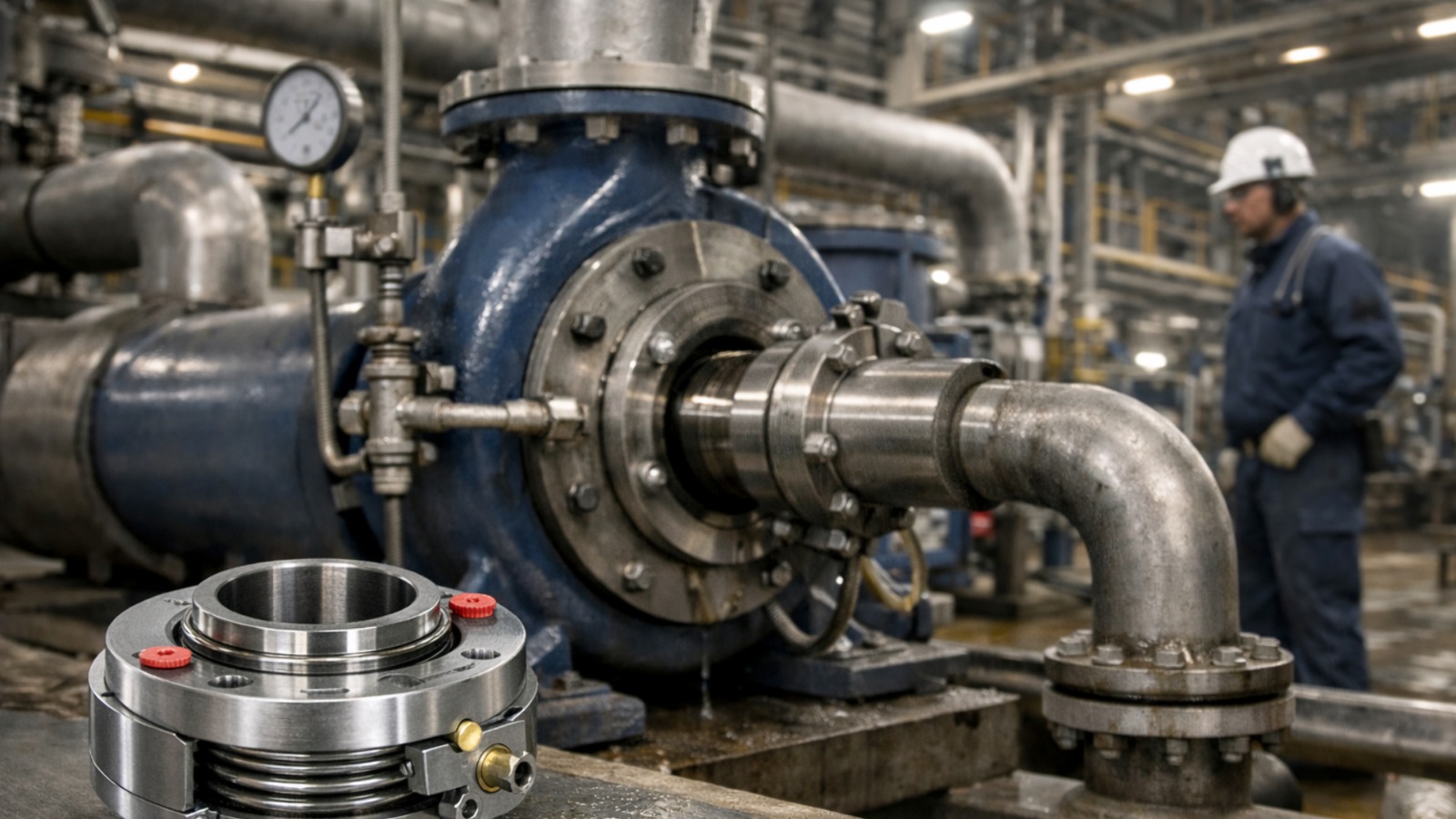
Implementing preventive maintenance routines, monitoring vibration and temperature trends, and inspecting support systems such as flush lines and cooling circuits helps identify early warning signs. Proper maintenance transforms mechanical seals from frequent failure points into reliable system components.
How Proper Seal Selection Reduces Downtime
Proper seal selection is the most effective way to reduce unplanned downtime and maintenance intervention. Selecting a seal based solely on catalogue specifications or past usage often leads to repeat failures under changing conditions.
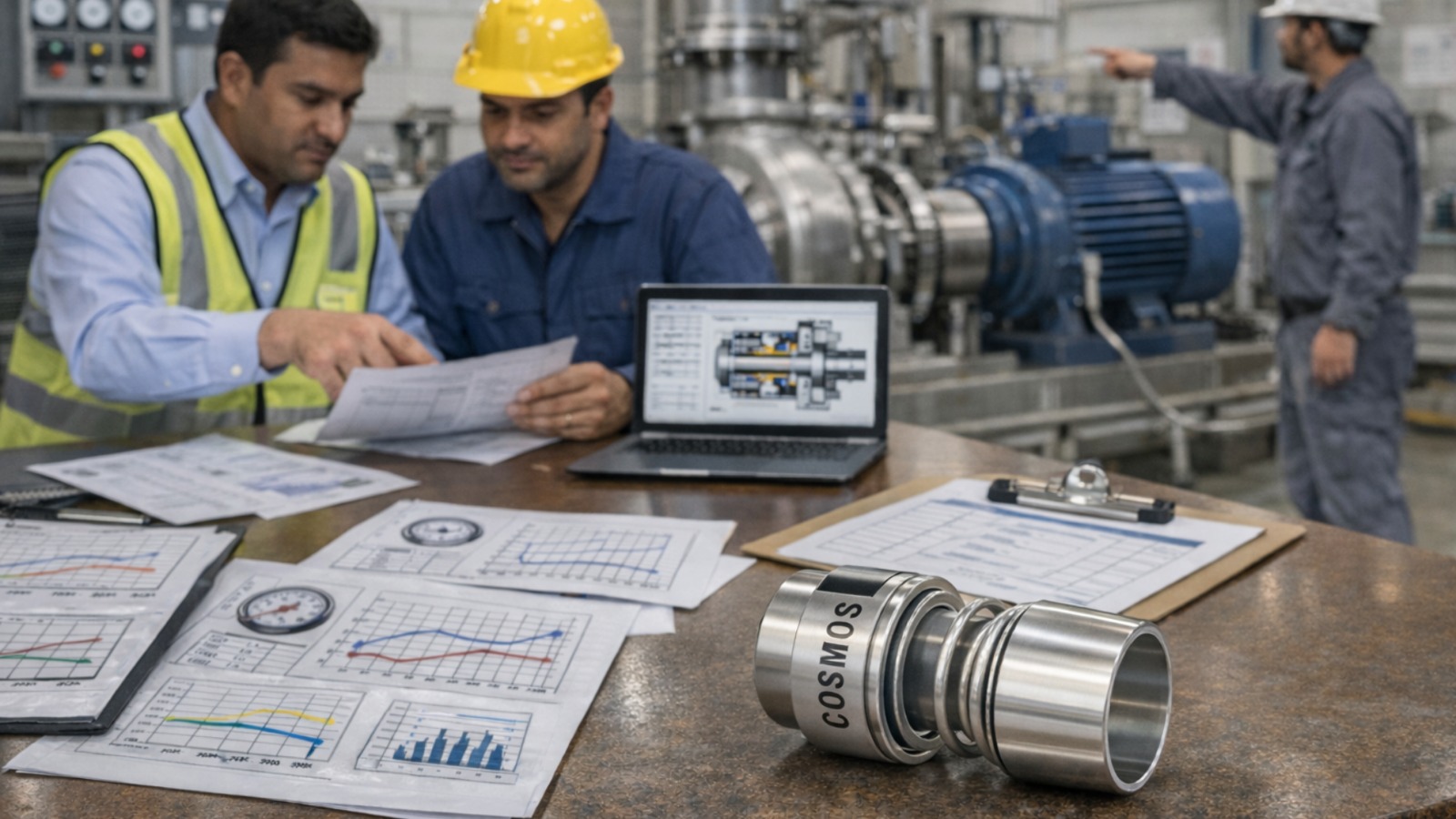
A structured selection approach considers actual operating pressure, temperature, shaft speed, fluid characteristics, and equipment design. When seals are matched accurately to these parameters, heat generation is controlled, wear rates are reduced, and seal life is extended.
Cosmos Seals works closely with industrial customers to provide mechanical seals for pumps, agitator mechanical seals, cartridge mechanical seals, and custom sealing solutions engineered to address common failure mechanisms. This application-driven approach helps industries achieve longer seal life, reduced downtime, and lower operating costs.
Call to Action
If your facility is experiencing repeated mechanical seal failures, the issue may lie in selection, installation, or operating conditions rather than product quality alone. Cosmos Seals supports industries with technical evaluation, failure analysis, and engineered sealing solutions designed for long-term reliability.
Dry Running: The Silent Destroyer of Mechanical Seals One of the most common reasons behind mechanical seal failure is dry running. Mechanical seals are specifically designed to function with a thin layer of fluid between the seal faces, which acts as lubrication and cooling support during operation. When this lubrication disappears, friction increases rapidly, generating […]
Why Industries Don’t Just Pick Any Mechanical Seal Supplier When industrial buyers search for a list of mechanical seal manufacturers, they are usually trying to avoid operational risk rather than simply comparing prices. Mechanical seals directly affect equipment uptime because pumps, agitators, and compressors cannot function reliably if sealing performance is unstable. Whether it is […]
We are proud to share that Cosmos Seals India Pvt. Ltd. has been featured in Industry Outlook Magazine under the title: “Cosmos Seals India – A Trusted Manufacturer & Exporter Of Premium Quality Seals With Seamless Finish.” This feature highlights the company’s growing presence in the industrial sealing solutions sector and also recognizes the leadership […]
Cost vs Performance Balance For purchase managers, mechanical seals are often evaluated primarily on unit price, especially when procurement targets are cost-driven. However, mechanical seals are not commodity items; they are precision-engineered components whose performance directly influences equipment uptime, safety, and maintenance costs. A lower-priced seal may appear attractive during procurement, but if it is […]
Overview of Pump Sealing Systems Industrial pumps operate in demanding environments where controlling fluid leakage is essential for safety, efficiency, and equipment longevity. Pump sealing systems play a critical role by preventing process fluids from escaping along the rotating shaft while allowing smooth, reliable operation. Among available sealing options, mechanical seals are the most widely […]