Mechanical Seal Leakage: Causes, Risks, and Solutions
February 14, 2026•4 min read
Why Leakage Is a Critical Issue
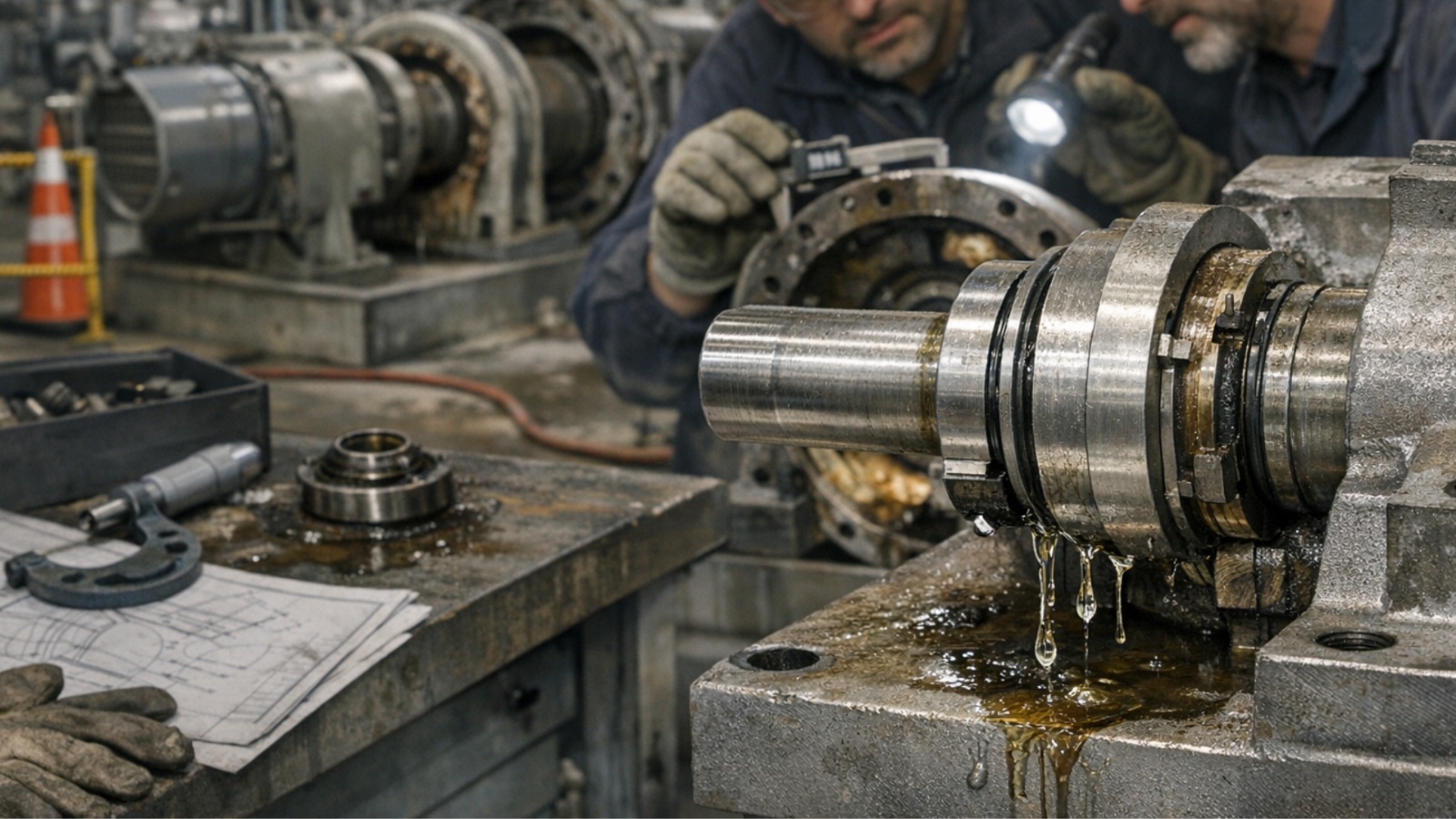
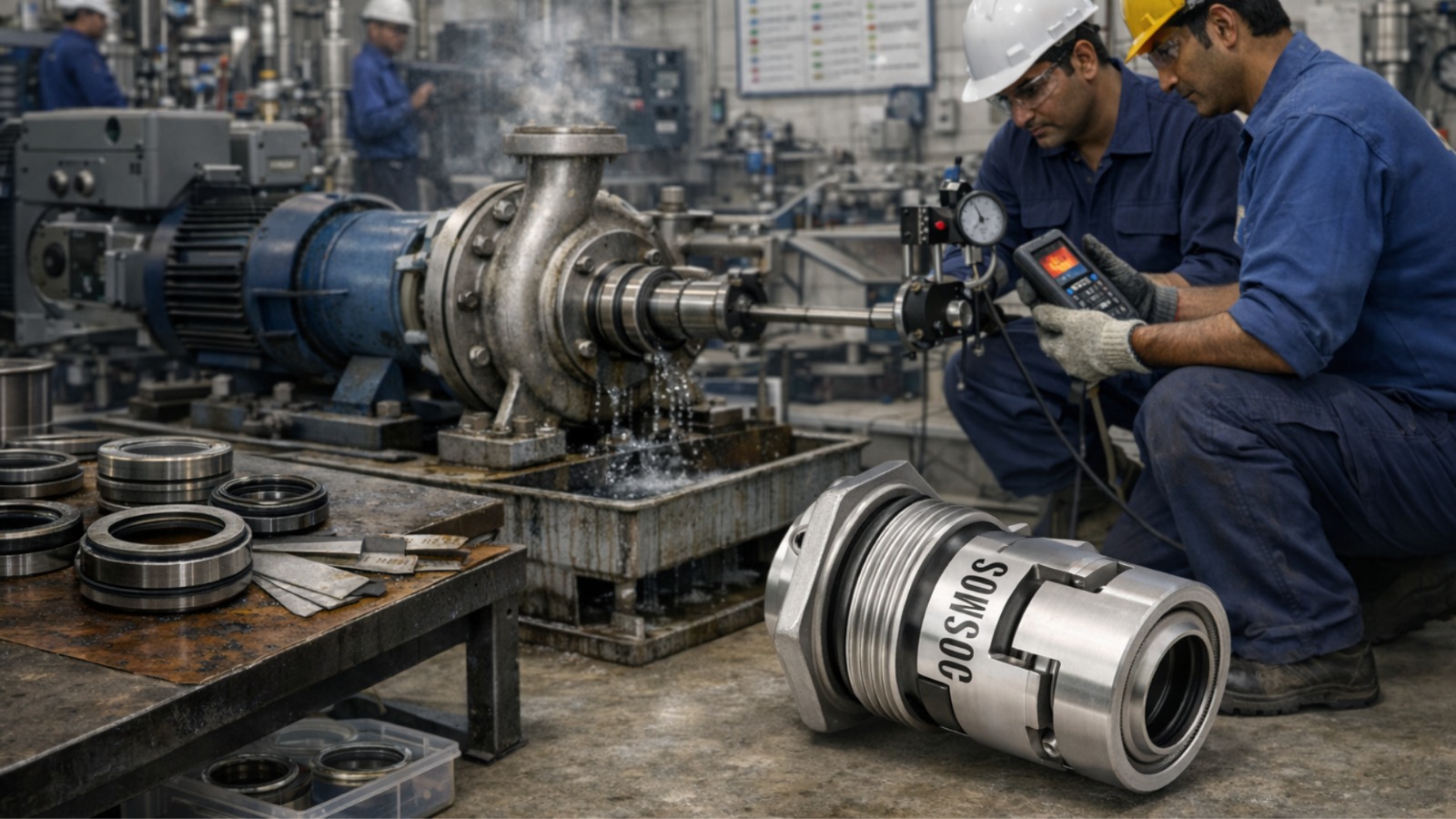
Mechanical seal leakage is one of the most visible and damaging symptoms of sealing system failure. Even minor leakage often indicates underlying issues related to seal selection, installation, operating conditions, or maintenance practices. If left unaddressed, leakage can quickly escalate into equipment damage, safety hazards, and costly downtime.
In industrial environments, mechanical seals are designed to control leakage to near-zero levels under defined conditions. When leakage occurs, it signals a breakdown in the delicate balance between seal faces, pressure loading, lubrication, and thermal control. Treating leakage as a routine or acceptable condition often leads to premature seal failure and repeated maintenance cycles.
Addressing leakage early helps industries avoid secondary damage to bearings, shafts, and adjacent equipment while preserving overall system reliability.
Safety and Compliance Risks
Mechanical seal leakage poses serious safety and compliance risks, particularly in industries handling hazardous, flammable, or toxic fluids. Chemical plants, oil & gas facilities, and pharmaceutical operations face strict regulations regarding emissions, workplace safety, and environmental protection.
Uncontrolled leakage can expose personnel to dangerous substances, increase fire and explosion risk, and result in environmental contamination. In regulated industries, even small leaks may trigger audits, penalties, or forced shutdowns.
From a compliance standpoint, persistent leakage often indicates non-conformance with operational and safety standards. This makes proactive leak prevention a critical responsibility for maintenance and reliability teams.
Common Leakage Points in Mechanical Seals
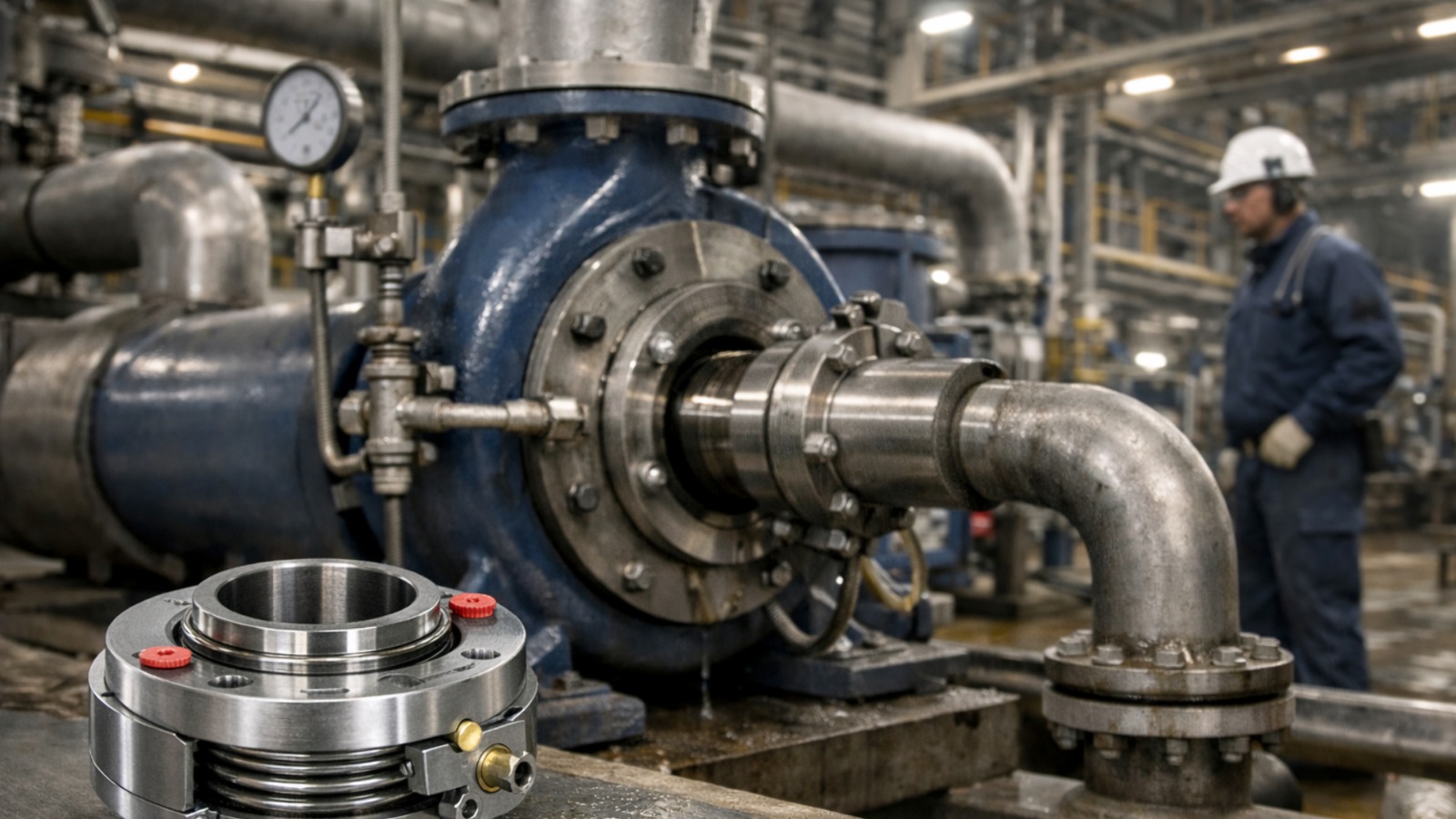
Leakage can originate from multiple points within a mechanical seal assembly. The most common source is leakage across the seal faces due to wear, overheating, or loss of lubrication. Face distortion caused by pressure imbalance or thermal gradients can also allow fluid to escape.
Secondary sealing elements such as O-rings, gaskets, and bellows are another frequent leakage point. Chemical incompatibility, ageing, or incorrect elastomer selection can cause these components to harden, crack, or lose elasticity.
Leakage may also occur at the gland interface or due to shaft misalignment and excessive vibration. Identifying the exact leakage point is essential before deciding on repair or replacement.
Seal Design Vs Application Mismatch
A major contributor to mechanical seal leakage is mismatch between seal design and actual operating conditions. Seals selected based on nominal specifications may fail when exposed to pressure spikes, temperature fluctuations, or process changes.
For example, seals not designed for dry running may leak when start up conditions momentarily starve the faces of lubrication. Similarly, seals designed for clean fluids may leak prematurely in abrasive or contaminated services.
Preventive maintenance plays a vital role in controlling mechanical seal leakage. Proper flushing systems, adequate cooling, and clean operating environments help maintain stable seal face conditions and prevent overheating.
Regular inspection of flush lines, cooling circuits, and support systems ensures that seals receive the necessary lubrication and temperature control. Monitoring vibration, temperature, and pressure trends also helps detect early warning signs before leakage becomes severe.
Training maintenance personnel on proper seal handling, installation, and inspection further reduces leakage caused by human error.
When to Replace Vs Repair a Mechanical Seal
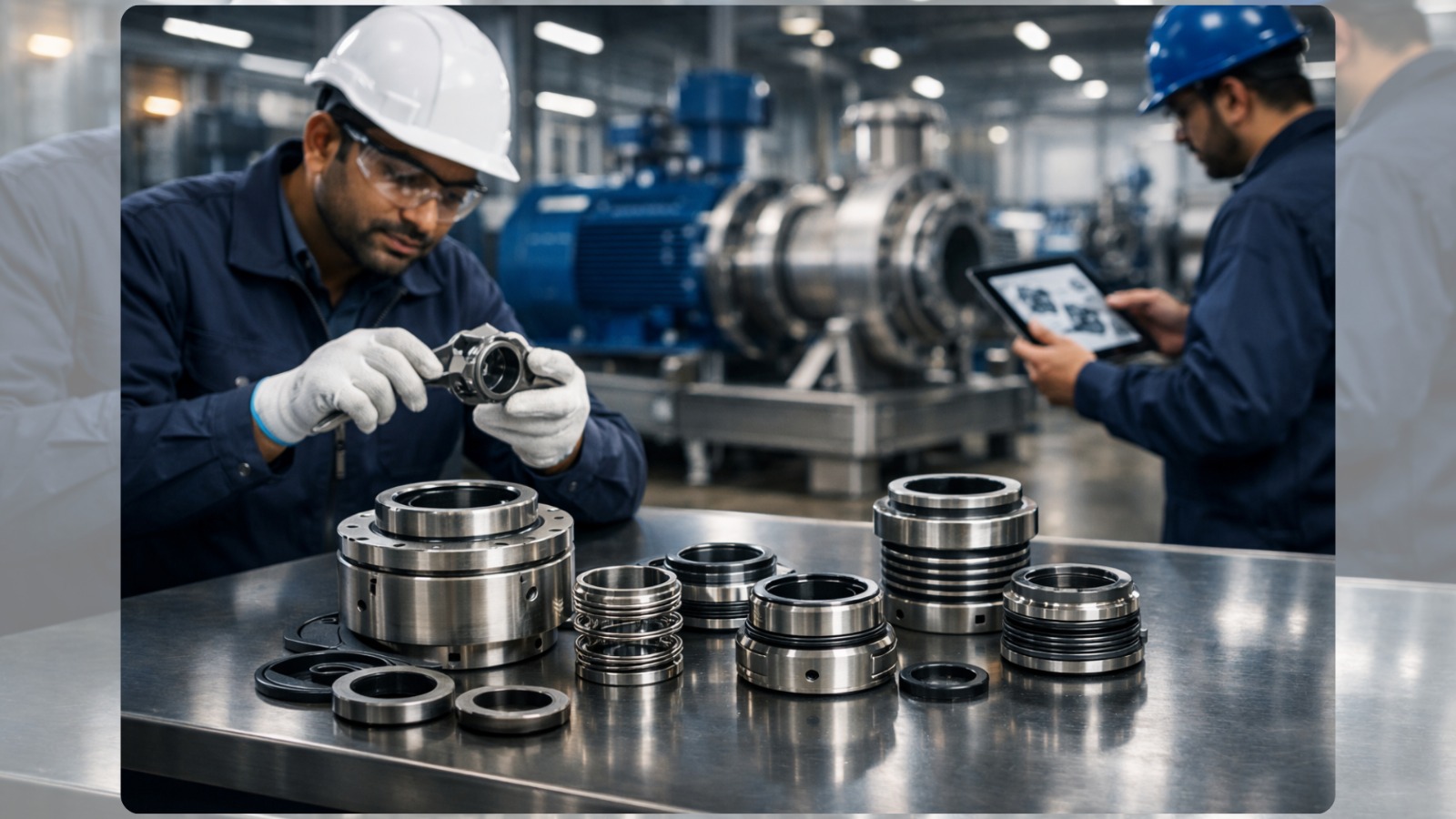
Deciding whether to repair or replace a leaking mechanical seal depends on the root cause and extent of damage. Minor leakage caused by installation errors, secondary seal degradation, or external system issues may be resolved through corrective maintenance.
However, seals exhibiting significant face wear, distortion, or repeated leakage typically require replacement rather than repair. Attempting to reuse damaged seals often leads to recurring leaks and higher long-term costs.
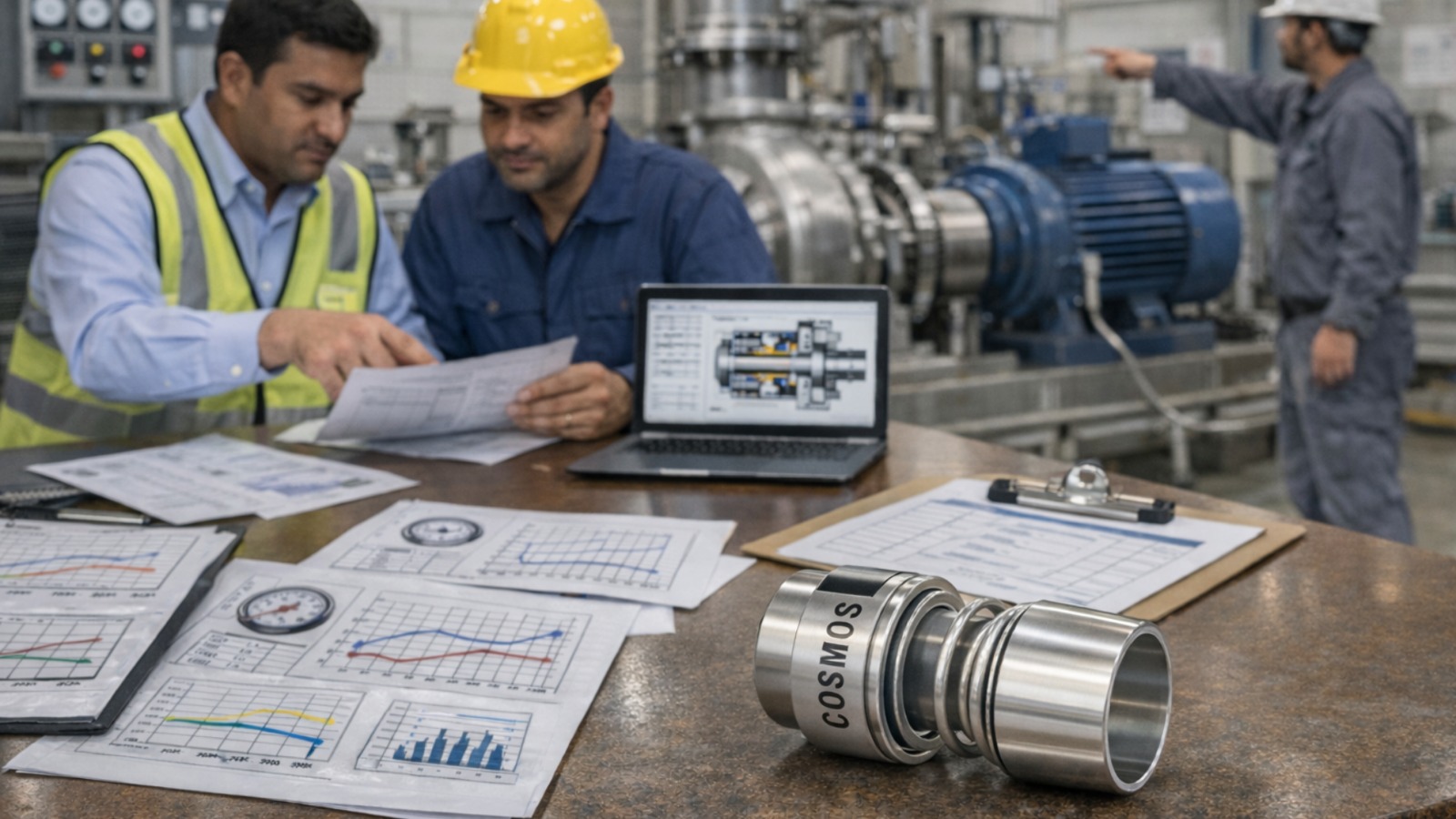
Cosmos Seals supports industries with mechanical seal repair assessment, replacement solutions, and custom sealing systems designed to eliminate leakage and restore equipment reliability. Proper evaluation ensures the right decision between repair and replacement.
Call to Action
If your facility is experiencing persistent mechanical seal leakage, it is critical to identify the root cause before it leads to equipment damage or safety incidents. Cosmos Seals provides expert support in seal evaluation, leakage analysis, and reliable replacement solutions.
📞 Call us at +91 9769133001 📧 Email us at info@cosmosseals.com 🌐 Visit www.cosmosseals.com
Frequently Asked Questions
Q1: Is minor mechanical seal leakage acceptable during operation?
A1: Minor leakage may occur during start up, but continuous leakage indicates a problem that should be addressed.
Q2: Can incorrect seal selection cause leakage?
A2: Yes, seal design and material mismatches are a common cause of persistent leakage.
Q3: When should a leaking mechanical seal be replaced?
A3: Replacement is recommended when leakage is due to face damage, wear, or repeated failure.
Q4: Can preventive maintenance reduce seal leakage?
Dry Running: The Silent Destroyer of Mechanical Seals One of the most common reasons behind mechanical seal failure is dry running. Mechanical seals are specifically designed to function with a thin layer of fluid between the seal faces, which acts as lubrication and cooling support during operation. When this lubrication disappears, friction increases rapidly, generating […]
Why Industries Don’t Just Pick Any Mechanical Seal Supplier When industrial buyers search for a list of mechanical seal manufacturers, they are usually trying to avoid operational risk rather than simply comparing prices. Mechanical seals directly affect equipment uptime because pumps, agitators, and compressors cannot function reliably if sealing performance is unstable. Whether it is […]
We are proud to share that Cosmos Seals India Pvt. Ltd. has been featured in Industry Outlook Magazine under the title: “Cosmos Seals India – A Trusted Manufacturer & Exporter Of Premium Quality Seals With Seamless Finish.” This feature highlights the company’s growing presence in the industrial sealing solutions sector and also recognizes the leadership […]
Cost vs Performance Balance For purchase managers, mechanical seals are often evaluated primarily on unit price, especially when procurement targets are cost-driven. However, mechanical seals are not commodity items; they are precision-engineered components whose performance directly influences equipment uptime, safety, and maintenance costs. A lower-priced seal may appear attractive during procurement, but if it is […]
Overview of Pump Sealing Systems Industrial pumps operate in demanding environments where controlling fluid leakage is essential for safety, efficiency, and equipment longevity. Pump sealing systems play a critical role by preventing process fluids from escaping along the rotating shaft while allowing smooth, reliable operation. Among available sealing options, mechanical seals are the most widely […]
Why Seals Fail Prematurely Premature Mechanical seal Failure is one of the most persistent reliability challenges in industrial operations. Mechanical seals are engineered components designed to operate under tightly defined conditions, yet in real-world environments, they are often exposed to variables that exceed their design assumptions. When this happens, even high-quality seals can fail much […]