How to Choose the Right Mechanical Seal for Industrial Pumps: A Complete Selection Guide
October 13, 2026•10 min read
Industrial pumps are essential for maintaining smooth operations across chemical processing, pharmaceuticals, oil and gas, water treatment, and manufacturing industries. However, selecting the wrong mechanical seal for industrial pumps can result in fluid leakage, equipment breakdowns, increased maintenance costs, and unexpected production downtime. Choosing the correct sealing solution is therefore essential for ensuring reliable pump performance and operational efficiency.
With different types of mechanical seals available, understanding their materials, operating conditions, and applications can help industries make informed decisions. From single mechanical seals and double mechanical seals to cartridge mechanical seals and metal bellow mechanical seals, each design serves specific operational requirements. This guide explains the key factors to consider when selecting the most suitable industrial mechanical sealing solutions for long-term pump reliability.
Understand Your Pump’s Operating Conditions Before Choosing a Mechanical Seal
Selecting the right mechanical seal for industrial pumps begins with understanding the operating conditions of the equipment. Industrial pumps operate under different pressure levels, temperatures, rotational speeds, and fluid-handling requirements. These factors directly influence the performance and durability of industrial mechanical seals. A sealing solution suitable for a standard water pump may not perform effectively in equipment handling corrosive chemicals, high-temperature fluids, or abrasive materials. Evaluating these operating conditions helps businesses choose reliable pump sealing solutions that minimize leakage and support continuous industrial operations.
Temperature and pressure are particularly important when selecting mechanical seals for pumps. High-temperature applications require sealing materials capable of maintaining dimensional stability and performance under thermal stress. Similarly, high-pressure pumping systems may require specialized seal designs to withstand demanding operating conditions. Pump shaft speed, shaft diameter, and equipment configuration must also be considered to ensure proper seal compatibility. Working with experienced mechanical seal manufacturers can help industries identify suitable sealing arrangements for their specific pumping systems.
Another important factor is the nature of the fluid being handled. Pumps transporting chemicals, oils, solvents, water, or abrasive liquids require different sealing materials and configurations. For example, aggressive chemicals may require corrosion-resistant components, while fluids containing suspended particles may demand wear-resistant seal faces. Understanding these characteristics allows industries to select appropriate mechanical sealing solutions that improve equipment efficiency, reduce maintenance requirements, and support reliable performance across various industrial applications.
Explore Different Types of Mechanical Seals for Maximum Pump Efficiency
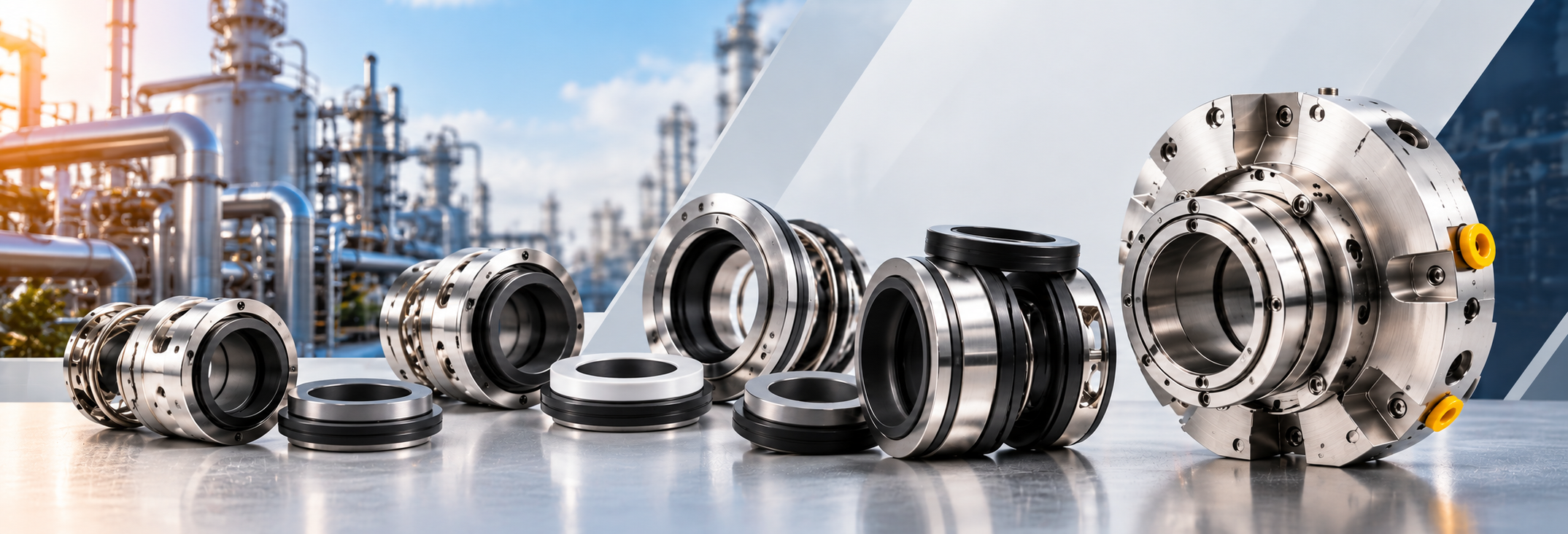
Understanding the available types of mechanical seals is essential when choosing the right sealing solution for industrial equipment. Mechanical seals are designed in different configurations to accommodate varying operational demands. Common options include single mechanical seals, double mechanical seals, cartridge mechanical seals, and metal bellow mechanical seals. Each type offers specific advantages depending on the pump design, operating environment, and fluid characteristics. Selecting the correct configuration helps maintain effective sealing performance while reducing the risk of premature equipment failure.
Single mechanical seals are commonly used in applications where the process fluid and operating conditions allow reliable sealing with one pair of primary sealing faces. They are often suitable for general industrial pumping systems handling compatible liquids under controlled operating conditions. In contrast, double mechanical seals incorporate two sets of sealing faces and are commonly considered for hazardous, toxic, highly volatile, or difficult-to-seal fluids. Depending on their arrangement, they can operate with a suitable buffer or barrier fluid system to provide additional containment and improved operational safety.
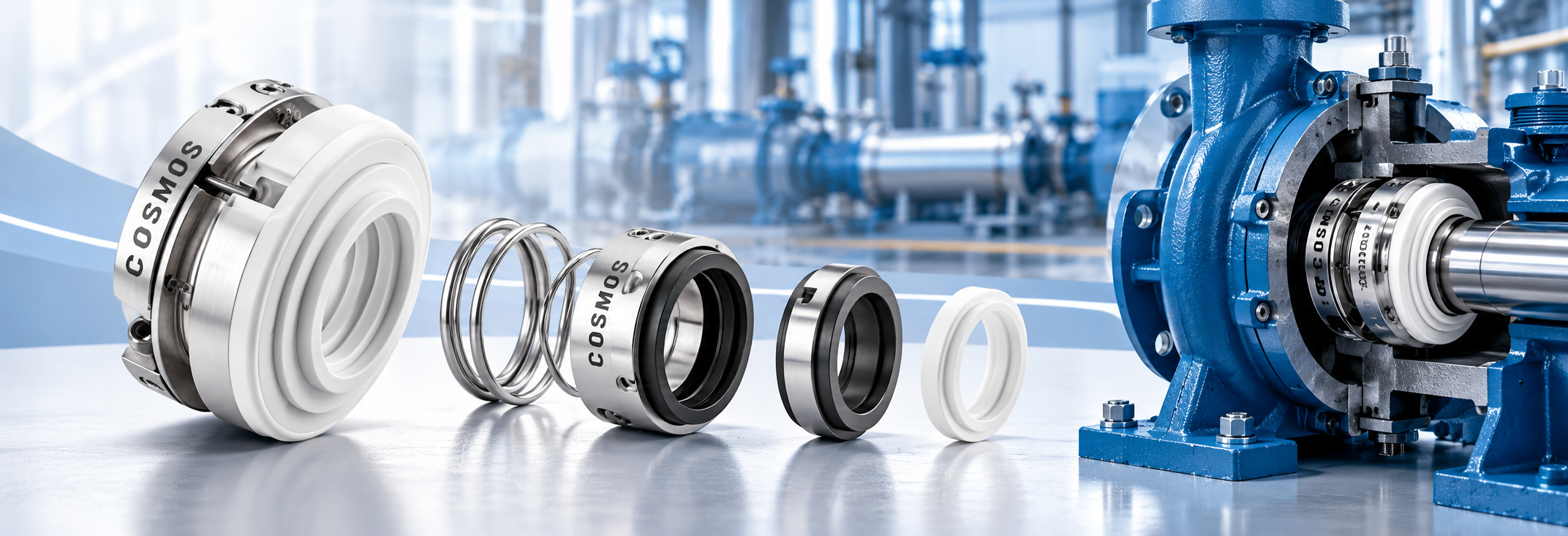
For industries seeking simplified installation and maintenance, cartridge mechanical seals offer a practical alternative to conventional component seals. These preassembled sealing units help reduce installation errors and simplify replacement procedures. Meanwhile, metal bellow mechanical seals use a flexible metallic bellows element and can be suitable for demanding applications, including certain high-temperature services. Choosing among these industrial pump mechanical seals requires careful consideration of operating conditions, equipment specifications, and maintenance expectations to achieve dependable sealing performance.
Choose the Right Seal Face Materials for Long-Lasting Performance
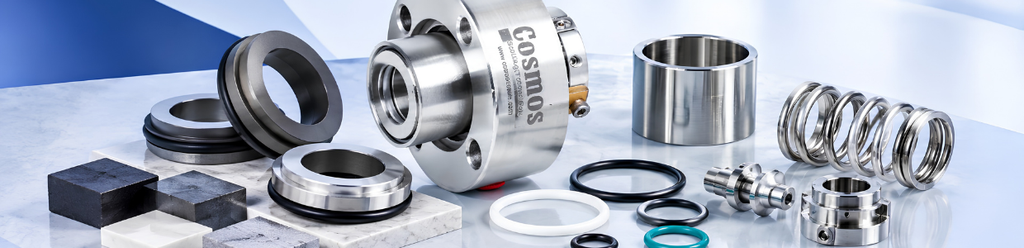
The selection of suitable materials plays a major role in determining the performance and service life of mechanical seals for industrial pumps. Mechanical seal faces operate in close contact while maintaining a thin lubricating film that helps minimize friction and leakage. Common seal face materials include carbon, silicon carbide, tungsten carbide, and ceramic materials. Each offers different levels of hardness, chemical resistance, thermal conductivity, and wear resistance. Choosing the appropriate material combination helps maintain sealing efficiency and reduces the likelihood of premature wear during industrial pump operation.
Carbon mechanical seal faces are frequently paired with harder materials because of their favorable tribological properties in suitable operating conditions. Silicon carbide mechanical seals offer excellent hardness, wear resistance, and compatibility with many chemically demanding applications. Tungsten carbide mechanical seals provide high mechanical strength and abrasion resistance, making them useful in selected heavy-duty pumping environments. However, the suitability of each material depends on the process fluid, temperature, pressure, and operating conditions. Material compatibility should always be verified rather than assuming that one seal face material is appropriate for every industrial application.
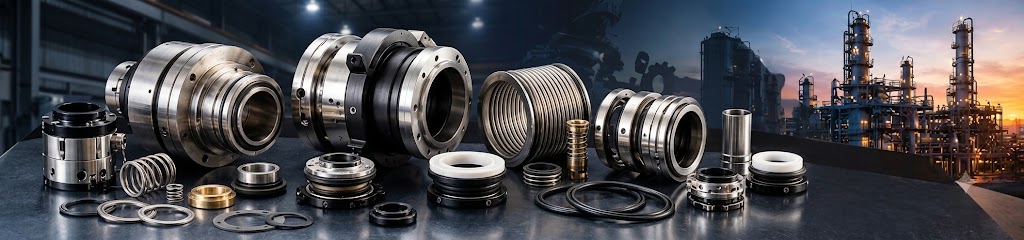
In addition to seal faces, secondary sealing components such as O-rings, gaskets, and elastomers must be selected carefully. Materials including EPDM, FKM, and PTFE have different chemical and temperature resistance characteristics. Incorrect material selection can cause swelling, hardening, chemical degradation, or leakage. Reliable mechanical seal suppliers can assist industries in selecting compatible materials based on their application requirements. Proper material selection contributes to improved seal durability, lower maintenance costs, and consistent performance in industrial pumping systems.
Match Mechanical Seal Design with Your Industry’s Specific Requirements
Different industries operate under unique conditions, making application-specific mechanical sealing solutions essential for reliable pump performance. In chemical processing plants, pumps frequently handle aggressive liquids, solvents, and corrosive substances that require compatible seal materials and suitable containment arrangements. Mechanical seals for chemical pumps must be selected with careful attention to fluid compatibility, operating pressure, temperature, and safety requirements. Choosing an unsuitable sealing system can increase the risk of leakage, equipment damage, and operational interruptions, making application assessment an important part of the selection process.
In pharmaceutical and food processing applications, sealing systems may need to support strict hygiene, cleaning, and contamination-control requirements. Depending on the equipment and process, these industries may require specialized mechanical seals for pharmaceutical pumps or hygienic pump sealing arrangements. Meanwhile, oil and gas applications often involve challenging combinations of pressure, temperature, and fluid characteristics. Selecting appropriate mechanical seals for oil and gas applications requires an understanding of process conditions, equipment design, and applicable industry standards to ensure reliable and safe operation.
Water treatment, wastewater management, and general manufacturing facilities also depend on effective industrial pump sealing solutions. Pumps handling clean water may use relatively straightforward sealing configurations, while wastewater pumps containing abrasive particles or suspended solids may require more robust materials and suitable flushing arrangements. Understanding these application differences helps industries choose reliable mechanical seals for centrifugal pumps and other rotating equipment. Working with knowledgeable industrial mechanical seal manufacturers can support accurate product selection and improve long-term equipment performance.
Prevent Leakage and Pump Failure with Proper Mechanical Seal Selection
One of the primary purposes of a mechanical seal for industrial pumps is to control fluid leakage around the rotating shaft. However, incorrect seal selection can result in excessive leakage, accelerated wear, and unexpected pump failure. Common problems include mechanical seal leakage, damaged sealing faces, thermal distortion, and premature deterioration of secondary sealing components. These issues may occur when the selected seal cannot withstand the actual operating conditions or when the pump experiences abnormal vibration, shaft misalignment, or inadequate lubrication. Identifying these risks before installation helps industries reduce operational disruptions.
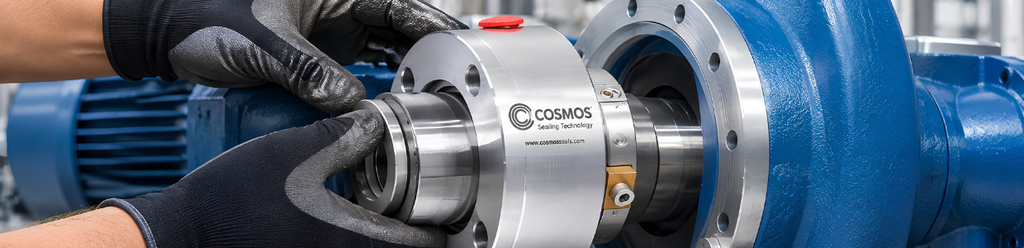
Proper mechanical seal installation is equally important for maintaining reliable pump performance. Even a correctly specified sealing system may fail prematurely if installation procedures are not followed. Incorrect seal positioning, contaminated components, improper tightening, and shaft runout can affect sealing effectiveness. Cartridge mechanical seals can simplify certain installation procedures because critical components are supplied as a preassembled unit. Nevertheless, installers must follow the manufacturer’s instructions, verify equipment condition, and ensure that the seal support system is properly configured before starting the pump.
Regular inspection and preventive maintenance also contribute to extending mechanical seal service life. Monitoring leakage, vibration, operating temperature, and seal support system performance can help maintenance teams identify developing problems before major failures occur. Conditions such as dry running, excessive heat, and inadequate flushing can damage sealing surfaces and reduce operational reliability. Selecting suitable high-performance mechanical seals, maintaining appropriate operating conditions, and following recommended maintenance procedures can help industries minimize unexpected downtime and improve overall pump efficiency.
Partner with Reliable Mechanical Seal Manufacturers for Better Industrial Performance
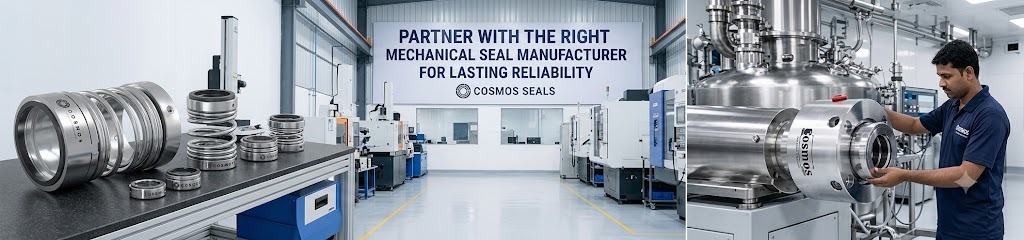
Choosing the right mechanical seal manufacturer is just as important as selecting the appropriate sealing design. A dependable supplier should understand industrial pump applications, sealing materials, operating conditions, and equipment compatibility. Industries benefit from working with manufacturers that can provide suitable industrial mechanical seals based on detailed technical requirements rather than offering a one-size-fits-all solution. Factors such as product quality, manufacturing consistency, material compatibility, and technical guidance should be considered when evaluating mechanical seal suppliers for industrial applications.
Reliable suppliers can help businesses assess different mechanical sealing solutions, including single mechanical seals, double mechanical seals, cartridge mechanical seals, and metal bellow mechanical seals, according to application requirements. Technical discussions should include pump specifications, process fluid characteristics, shaft dimensions, operating temperature, pressure, and installation considerations. The availability of suitable product options and application guidance can simplify procurement decisions and help maintenance teams choose sealing systems that align with operational expectations.
Cosmos Seals offers mechanical sealing solutions for industrial applications, helping businesses explore suitable sealing options for their pumping equipment. By focusing on appropriate seal selection, material compatibility, and application requirements, industries can improve equipment reliability and reduce avoidable maintenance challenges. Whether selecting seals for a new pumping system or replacing existing components, working with an experienced mechanical seal manufacturer can support informed purchasing decisions, dependable pump operation, and improved long-term performance.
Choose Reliable Mechanical Sealing Solutions with Cosmos Seals
Choosing the right mechanical seal for industrial pumps is essential for preventing leakage, improving equipment reliability, and reducing maintenance costs. At Cosmos Seals, we help industries explore dependable mechanical sealing solutions suited to different pump applications and operating requirements. Whether you need cartridge mechanical seals, metal bellow mechanical seals, or other industrial mechanical seals, connect with our team to discuss your requirements and identify suitable sealing options for efficient, long-lasting industrial pump performance.
Q1. How do I choose the right mechanical seal for an industrial pump?
A1. Consider the pump’s operating pressure, temperature, shaft speed, fluid properties, and material compatibility before selecting a suitable mechanical seal for industrial pumps.
Q2. What is the difference between single and double mechanical seals?
A2. Single mechanical seals use one set of primary sealing faces, while double mechanical seals use two sets and can provide additional containment for demanding or hazardous applications.
Q3. Which mechanical seal material is best for industrial pumps?
A3. Silicon carbide, tungsten carbide, and carbon are commonly used seal face materials, but the best choice depends on the process fluid and operating conditions.
Q4. How can I increase the lifespan of industrial mechanical seals?
A4. Proper mechanical seal installation, compatible material selection, adequate lubrication, and regular preventive maintenance can help extend seal life and reduce premature failures.
Industrial pumps operate continuously in demanding environments, handling everything from clean water to chemicals, oils, and high-temperature fluids. Preventing leakage around rotating shafts is essential for safe and efficient operation. This is where mechanical seals play a critical role. Understanding how mechanical seals work, their components, and their functions helps engineers and maintenance teams make […]
The Rising Importance of Mechanical Seals in India’s Industrial Sector India’s industrial sector continues to develop with increasing investments in manufacturing, infrastructure, chemical processing, pharmaceuticals, and energy production. As industries expand their operations, the demand for reliable equipment and efficient maintenance solutions is becoming increasingly important. Mechanical seals play a vital role in preventing fluid […]
Single Mechanical Seals: Working and Suitable Applications Single mechanical seals consist of one rotating seal face and one stationary seal face, lubricated by a thin film of process fluid. Their compact design makes them an economical and efficient choice for standard non-hazardous liquids, clean water circulation, light oils, and low-pressure systems. Due to their small […]
The Critical Role of Mechanical Seals in Oil and Gas Operations The oil and gas industry operates under some of the most demanding conditions, where equipment reliability and safety are extremely important. Pumps, compressors, and rotating machinery handle high pressure, extreme temperatures, and aggressive fluids, making mechanical seals an essential component for preventing leakage and […]
Introduction longer equipment life, and reduced maintenance costs in industrial applications. Whether used in pumps, mixers, compressors, or process equipment, the correct seal material and design directly influence the efficiency and reliability of rotating machinery. Selecting the wrong elastomer can lead to premature seal failure, costly downtime, and frequent replacements. Industries such as chemical processing, […]