
Don’t Let a Small Leak Become a Major Breakdown: Why Mechanical Seal Repair Matters
Industrial pumps operate under demanding conditions, making mechanical seals essential components for preventing leakage and maintaining operational efficiency. When seals become damaged or worn, they can compromise pump performance, increase energy consumption, and create safety risks. Professional mechanical seal repair services help identify these problems before they develop into major equipment failures, allowing industries to maintain reliable production processes.
Timely industrial mechanical seal repair is particularly important in industries such as chemical processing, pharmaceuticals, oil and gas, water treatment, and manufacturing. These industries depend on efficient pump sealing solutions to handle various liquids, pressures, and operating temperatures. Ignoring minor leakage or unusual vibration can result in expensive machinery damage, production interruptions, and increased maintenance costs.
Regular inspections and preventive mechanical seal maintenance help extend equipment life while improving overall operating efficiency. Businesses can reduce unexpected failures by identifying worn seal faces, damaged elastomers, and misaligned components at an early stage. Investing in appropriate mechanical seal repair solutions supports safer operations, improved equipment reliability, and better long-term performance.
Spot the Warning Signs Before It’s Too Late: Common Mechanical Seal Failures
One of the most common indicators of a damaged mechanical seal is visible fluid leakage around the pump shaft. Leakage may occur because of worn sealing faces, damaged O-rings, incorrect installation, or excessive operating pressure. Identifying these symptoms early allows maintenance teams to arrange mechanical seal inspection and repair before the equipment experiences serious damage.
Another major cause of mechanical seal failure is excessive heat generated by dry running, insufficient lubrication, or improper cooling. When seal faces operate without adequate lubrication, friction increases and can damage the sealing surfaces. Similarly, shaft misalignment and excessive vibration can cause uneven wear, resulting in premature seal failure. Proper pump mechanical seal maintenance helps identify these operating conditions and reduce repeated breakdowns.
Chemical exposure and unsuitable seal materials can also affect the durability of industrial sealing components. Aggressive fluids may damage elastomers, corrode metallic components, or deteriorate sealing surfaces. Selecting compatible materials and carrying out timely mechanical seal replacement when necessary helps maintain sealing effectiveness. Understanding the underlying causes of failure is essential for choosing the most suitable repair approach and preventing recurring equipment problems.
From Damage to Dependability: Understanding the Mechanical Seal Repair Process
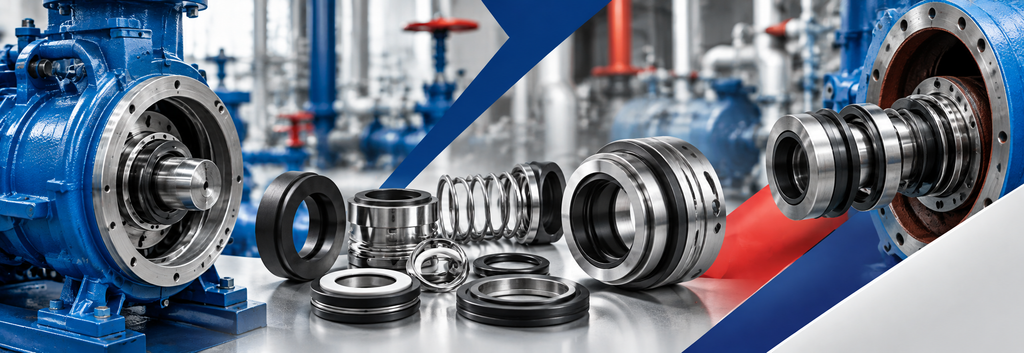
An effective mechanical seal repair process begins with a detailed inspection of the damaged seal assembly. Technicians examine seal faces, springs, sleeves, O-rings, and other components to identify wear, corrosion, cracks, or mechanical damage. This initial assessment helps determine whether the seal can be repaired or requires mechanical seal replacement. Proper inspection is essential for identifying the actual cause of failure rather than addressing only the visible symptoms.
After inspection, suitable components are cleaned, evaluated, and restored where technically feasible. Depending on the seal design and condition, mechanical seal refurbishment may involve seal face lapping, replacement of damaged elastomers, restoration of reusable components, and correction of assembly-related issues. Precision during these operations is important because even minor surface imperfections can affect sealing performance under industrial operating conditions.
The final stage involves reassembly, dimensional checks, and appropriate testing to evaluate the repaired seal’s condition and performance. Mechanical seal testing helps verify whether the assembly meets applicable operating requirements before it returns to service. Following correct installation procedures and manufacturer recommendations further supports long-term reliability. A systematic repair approach can help industries reduce maintenance expenses while restoring the functionality of critical industrial pump sealing systems.
Repair or Replace? Make the Smart Choice for Long-Term Pump Performance
Choosing between mechanical seal repair and replacement depends on the condition of the seal, the extent of damage, and the equipment’s operating requirements. Minor surface wear, damaged secondary seals, or replaceable components may allow a seal to be refurbished. However, severe cracks, extensive corrosion, structural damage, or repeated failures may make complete mechanical seal replacement the more reliable solution.
Cost is another important factor when evaluating mechanical seal repair services. Repairing a suitable seal assembly may reduce maintenance expenditure compared with purchasing a new unit, especially for specialized industrial sealing arrangements. However, the decision should consider repair feasibility, component availability, testing requirements, expected service life, and the potential cost of future downtime. A lower initial repair cost does not always guarantee better long-term value.
Industries should also consider operating pressure, temperature, fluid compatibility, and equipment criticality when selecting pump sealing solutions. High-demand applications may require upgraded seal materials or a different sealing arrangement to improve reliability. Consulting experienced mechanical seal specialists can help maintenance teams determine whether refurbishment, component replacement, or a completely new sealing solution is the most practical option.
Keep Your Pumps Running Stronger: Preventive Maintenance That Makes a Difference
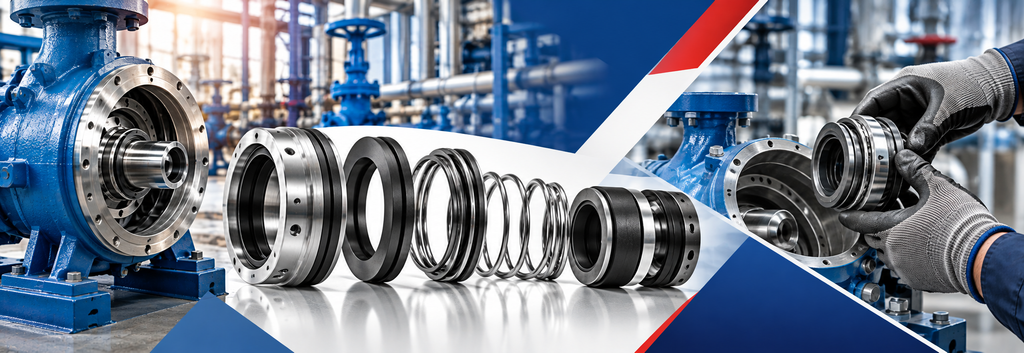
Preventive mechanical seal maintenance is one of the most effective ways to reduce unexpected pump failures and improve equipment reliability. Regular monitoring of leakage, operating temperature, vibration, and pressure helps identify potential problems before they become serious. A structured industrial pump maintenance program also supports safer operations by ensuring that critical sealing components remain within their intended operating conditions.
Proper lubrication, cooling, and alignment are essential for extending mechanical seal service life. Insufficient lubrication can lead to overheating, while excessive vibration may cause premature wear of sealing faces and associated components. Maintaining suitable operating conditions and following manufacturer-recommended installation procedures can significantly reduce the likelihood of recurring seal damage. Periodic inspections also help determine when mechanical seal repair or replacement is necessary.
Using suitable industrial sealing solutions and quality components further supports preventive maintenance strategies. Materials must be selected according to the pumped fluid, operating pressure, temperature, and chemical compatibility. Industries that maintain accurate service records and address repeated failure patterns can improve equipment performance while controlling maintenance costs. A proactive approach to mechanical seal servicing helps reduce downtime and supports more consistent industrial productivity.
Reliable Sealing Starts with the Right Components: Building Long-Term Industrial Efficiency
For businesses seeking dependable industrial mobility solutions, Rexello Castors offers products designed for a variety of industrial and material-handling applications. Selecting suitable light-duty castors, medium-duty castors, and heavy-duty castor wheels can improve the movement of maintenance trolleys, industrial carts, and workshop equipment. Combining effective mechanical seal maintenance practices with reliable material-handling infrastructure helps industrial facilities improve workflow efficiency and reduce avoidable operational interruptions.
Improve Industrial Maintenance Efficiency with Rexello Castors
Keep your industrial operations moving efficiently with reliable industrial castor wheels, heavy-duty castors, and material handling solutions from Rexello Castors. While mechanical seal repair helps maintain pump reliability, dependable industrial mobility equipment supports smoother maintenance and workshop operations. Explore Rexello’s range of industrial wheels and castors for your business requirements and discover practical solutions for demanding industrial environments. Connect with our team today for product information and assistance.
📞 Call: +91 7900147477
📧 Email: info@rexello.com
🌐 Website: https://rexello.com/
Frequently Asked Questions (FAQs)
A1. Mechanical seal repair involves inspecting, restoring, and replacing damaged seal components to prevent leakage, maintain pump efficiency, and reduce industrial equipment downtime.
A2. Common warning signs include fluid leakage, unusual vibration, excessive heat, abnormal noise, and repeated pump performance issues
A3. Yes, some mechanical seals can be refurbished through seal face restoration and component replacement, depending on their condition and the manufacturer’s specifications.
A4. Industrial castor wheels help maintenance teams move tools, pump components, and workshop trolleys efficiently during equipment servicing and repair activities.
