How to Choose the Right Mechanical Seal for Pumps – A Complete Guide
September 22, 2025•4 min read
Introduction
In industrial operations, even the smallest component can have the biggest impact. Mechanical seals for pumps play a critical role in preventing leaks, ensuring reliability, and extending the life of equipment.
But with multiple options available from component seals to cartridge seals procurement managers, engineers, and plant operators often face the challenge of selecting the right one. Choosing the wrong seal can lead to costly downtime, safety risks, and frequent maintenance.
This complete guide will help you understand the different types of mechanical seals, the factors to consider when making a choice, and why global industries trust Cosmos Seals India Pvt Ltd to deliver precision-engineered solutions.
What is a Mechanical Seal for Pumps?
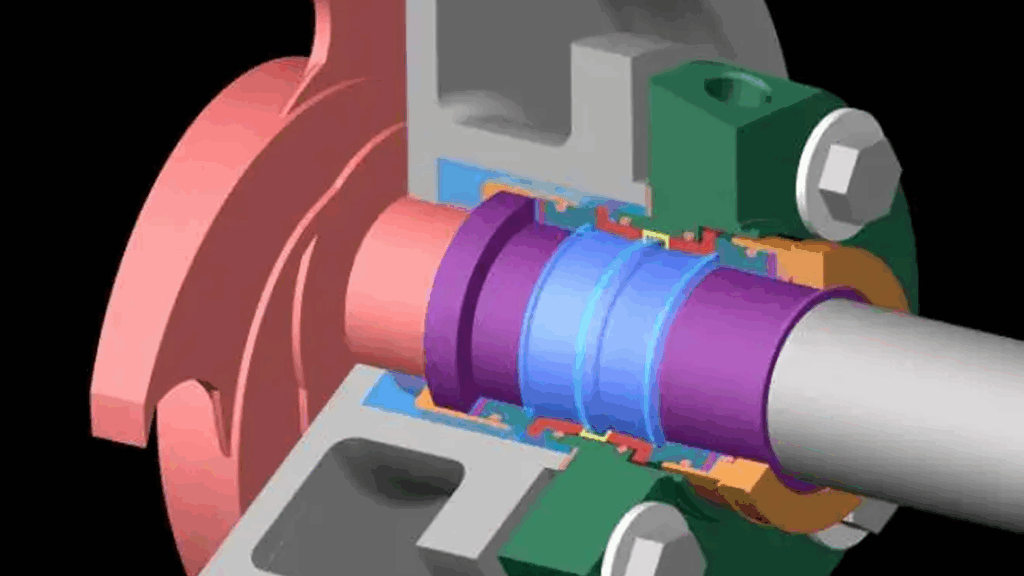
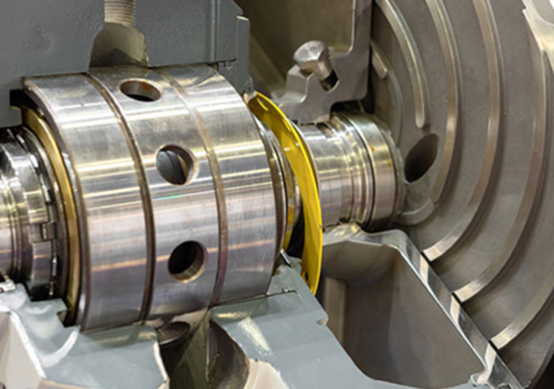
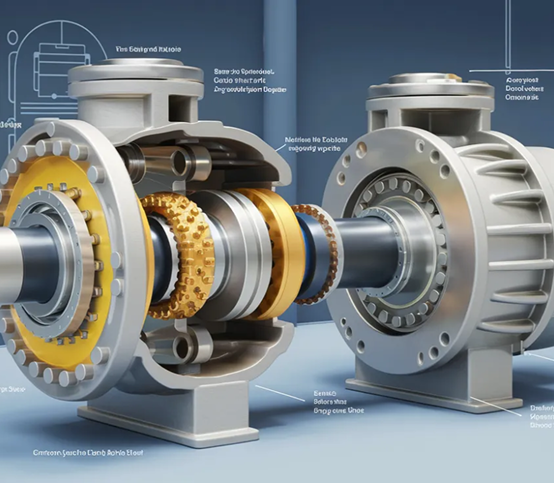
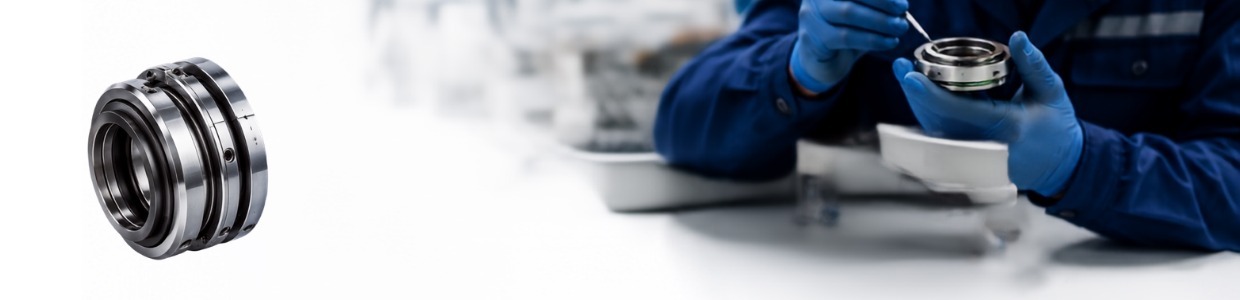
A mechanical seal for pumps is a device that helps prevent fluid leakage along a rotating shaft. It replaces older packing methods, offering greater efficiency, durability, and reliability.
Seals are widely used in industries such as:
Oil & Gas and Refineries
Food & Beverage Processing
Pharmaceuticals
Power Generation
Mining and Shipbuilding
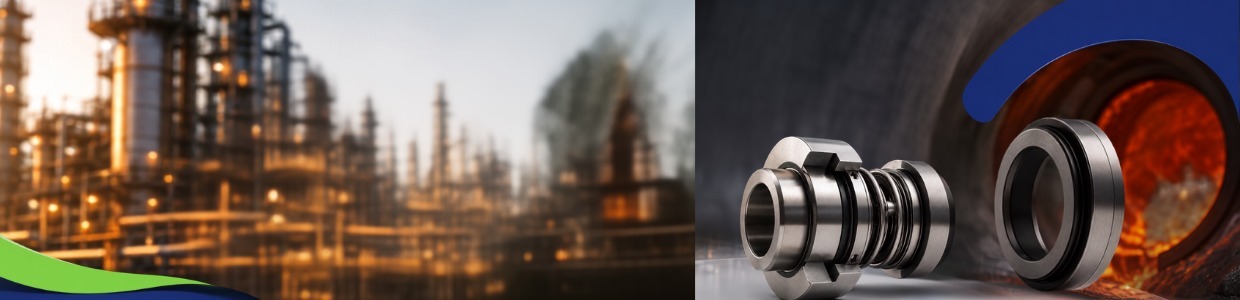
The right seal ensures safety, compliance, and smooth operations, even under extreme conditions of temperature and pressure.
Types of Mechanical Seals
When it comes to pump sealing technology, four types of mechanical seals are most commonly used:
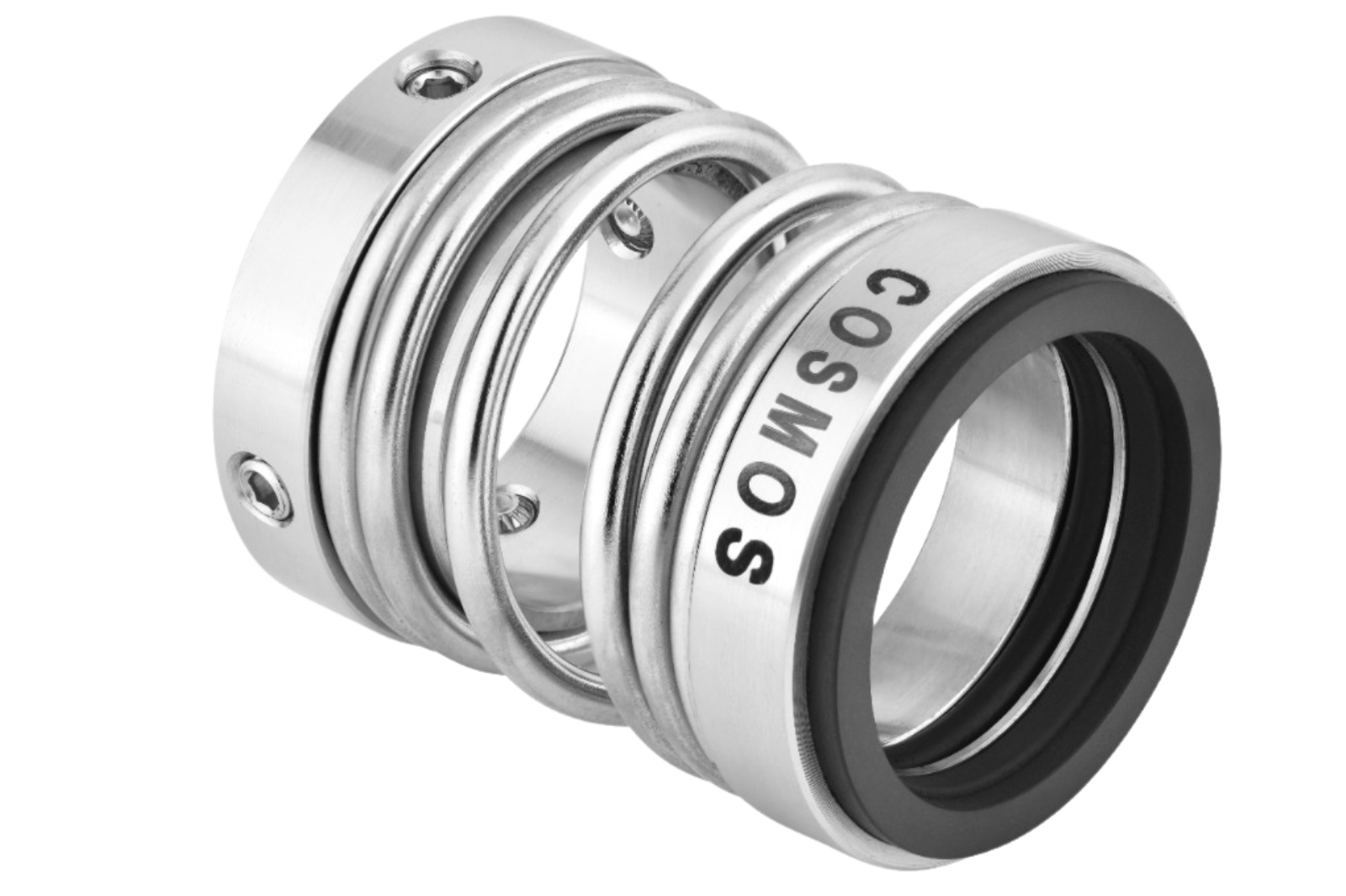
Component Seals
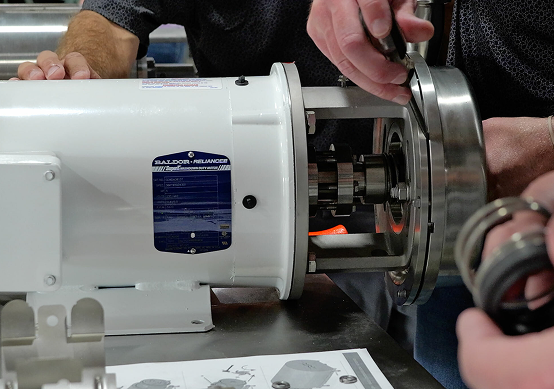
1. Component Seals
Made up of separate rotating and stationary elements.
Require assembly during installation.
Advantages:
Lower upfront cost.
Flexible and adaptable for different pumps.
Limitations:
Requires skilled installation.
Higher risk of human error leading to leakage.
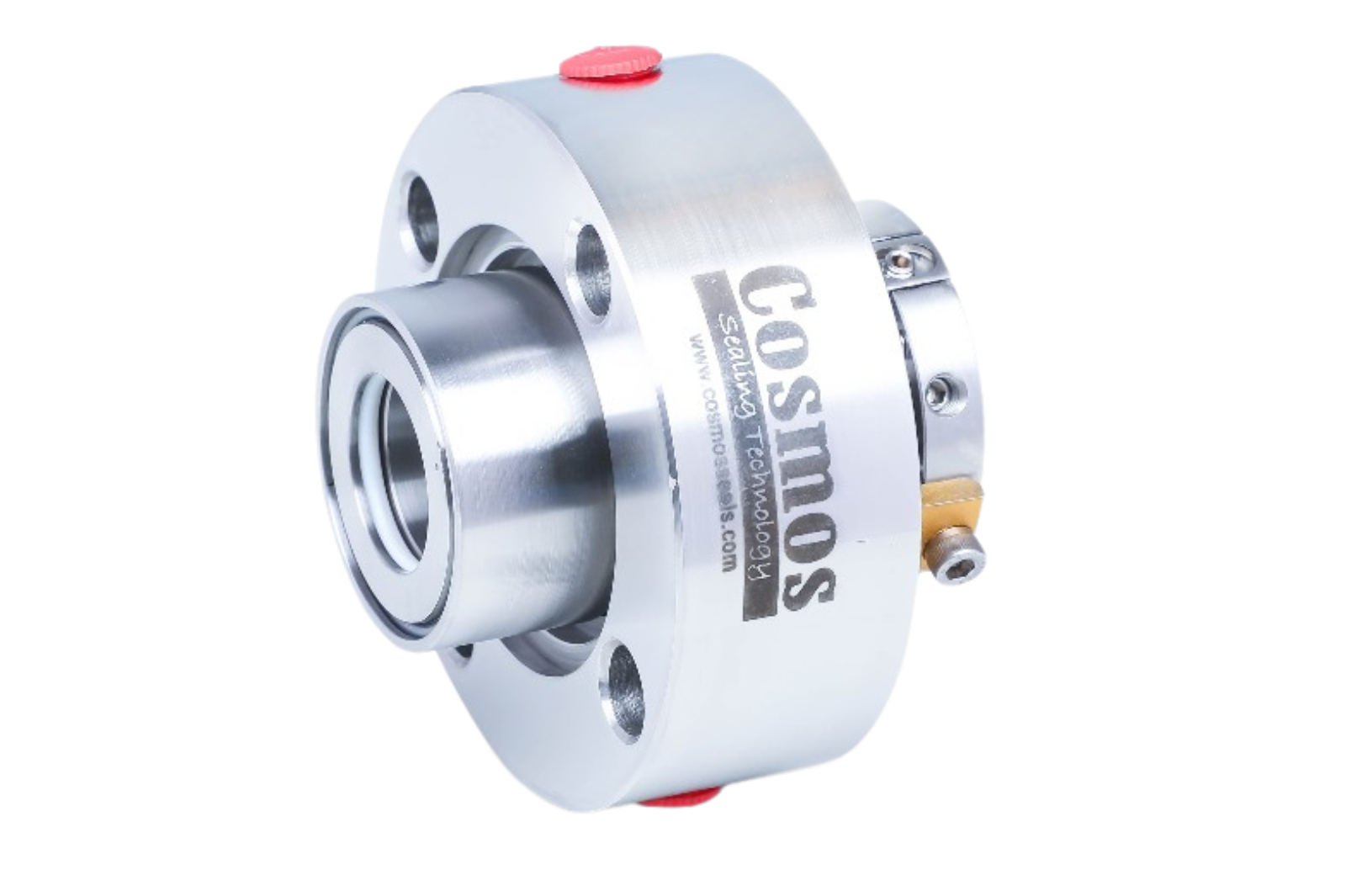
Cartridge Seals
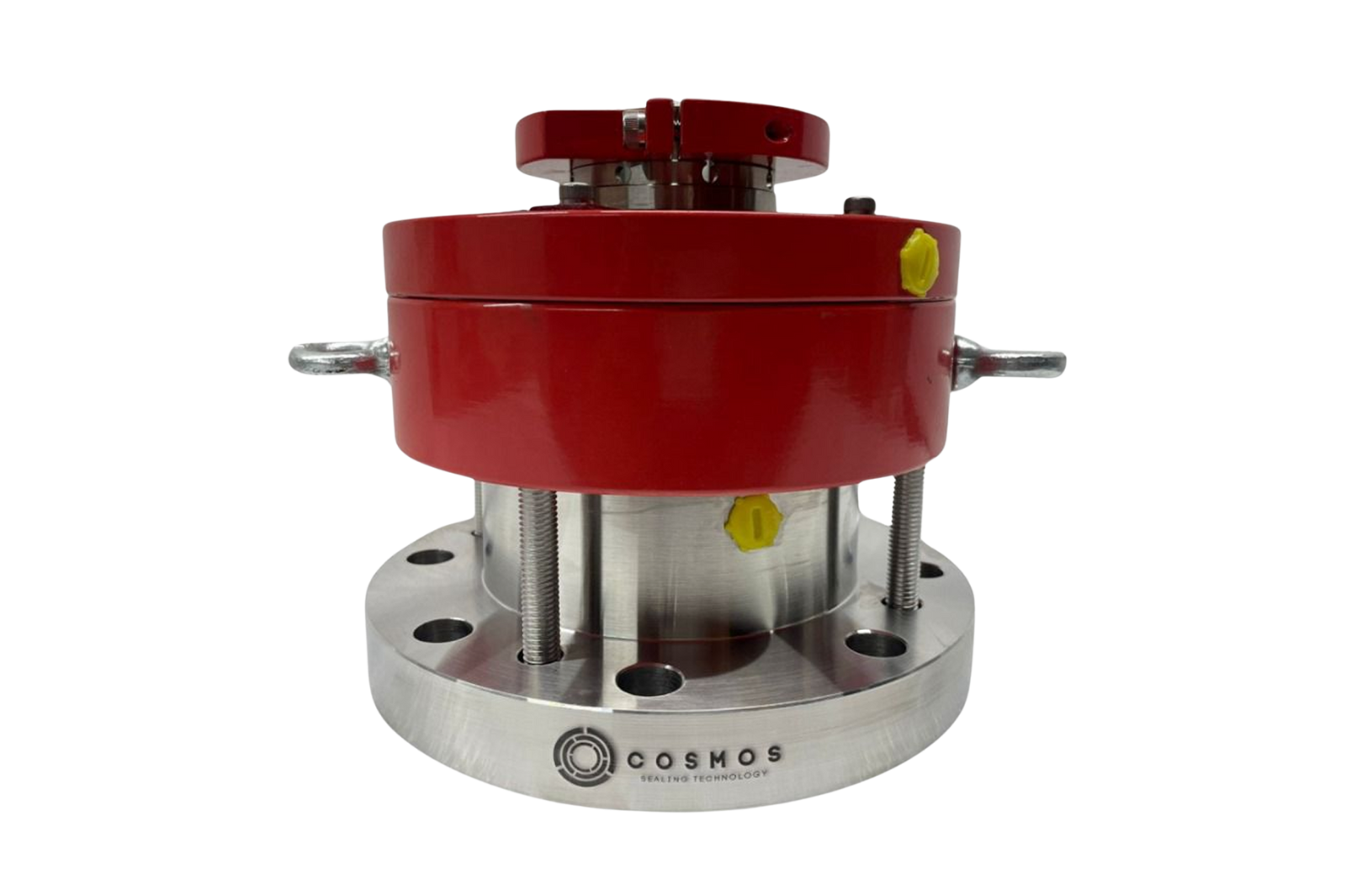
2. Cartridge Seals
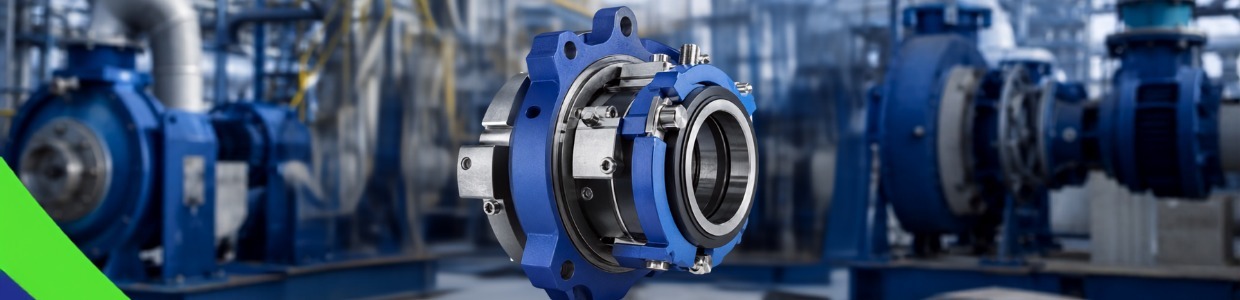
Pre-assembled units including gland plate, sleeve, and seal faces.
Designed for quick installation.
Advantages:
Easy to install — reduces human error.
Saves downtime during maintenance.
Consistent performance across applications.
Limitations:
Higher initial investment compared to component seals.
Agitator Seals
3. Agitator Seals
Specifically designed for mixers, reactors, and agitators.
Engineered to handle axial and radial movements.
Advantages:
Reliable under dynamic movement.
Ideal for industries like pharmaceuticals and food processing.
Split Seals
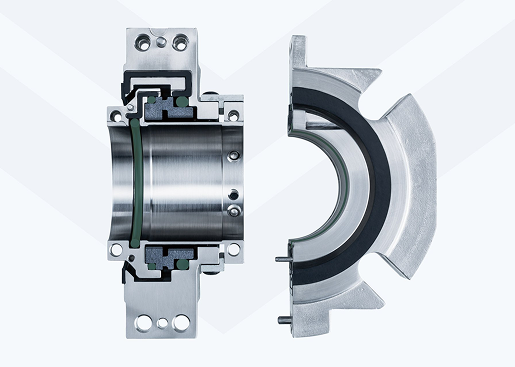
4. Split Seals
Designed in two halves for easy assembly.
Best for large pumps or equipment where disassembly is difficult.
Advantages:
Easy installation without dismantling machinery.
Saves time in large-scale applications.
Key Factors to Consider When Choosing a Mechanical Seal
Choosing the right seal is not just about cost — it’s about performance, safety, and compliance. Here are the most important factors:
1. Fluid Type
Corrosive chemicals → seals must use corrosion-resistant alloys and elastomers. Abrasive slurries → robust seal faces (like silicon carbide) resist wear. Viscous fluids → designs must handle friction and heat generation.
2. Operating Pressure & Temperature
High-pressure systems require balanced seal designs. Extreme temperatures demand materials that resist deformation.
3. Industry Compliance
Pharma & biotech → must meet strict hygienic, contamination-free standards. Food & beverage → FDA-approved materials are mandatory.
4. Maintenance Requirements
Component seals → cost-effective but need skilled technicians. Cartridge seals → pre-assembled, minimizing downtime. Split seals → easiest for large pumps where disassembly is impractical.
Common Mistakes to Avoid
Many failures in sealing systems can be traced back to poor selection or installation. Avoid these pitfalls:
Choosing the wrong material for the pumped fluid.
Improper installation due to lack of training.
Ignoring the operating environment (pressure spikes, dry running, temperature swings).
Selecting based only on price, not long-term performance.
Component Seal vs Cartridge Seal – Quick Comparison
Criteria
Component Seal
Cartridge Seal
Cost
Lower upfront investment
Higher upfront investment
Installation
Requires skill & precision
Quick and error-free
Downtime
Higher downtime during service
Saves downtime
Reliability
Dependent on installer’s skill
Consistent performance across setups
Case Example: Seal Selection in Action
A power plant in the Middle East faced frequent failures with component seals due to high installation errors. By switching to cartridge seals from Cosmos Seals, they achieved:
40% reduction in downtime.
Longer seal life, even under extreme temperatures.
This highlights why correct seal selection is critical for industrial buyers.
Why Global Buyers Choose Cosmos Seals
For over 15+ years, Cosmos Seals India Pvt Ltd has been a trusted manufacturer and exporter of mechanical seals. Here’s why industries worldwide prefer us:
Support beyond supply → consultation, installation, and training.
At Cosmos Seals, we deliver more than products — we deliver precision, performance, and reliability.
Selecting the right mechanical seal for pumps is a decision that impacts cost, compliance, and long-term performance.
👉 Whether it’s cartridge seal selection for critical industries or choosing between component seal vs cartridge seal, our experts can guide you to the right solution. 📧 Contact Cosmos Seals India Pvt Ltd today for a free consultation. 🌐 Visit: www.cosmosseals.com
Single Mechanical Seals: Working and Suitable Applications Single mechanical seals consist of one rotating seal face and one stationary seal face, lubricated by a thin film of process fluid. Their compact design makes them an economical and efficient choice for standard non-hazardous liquids, clean water circulation, light oils, and low-pressure systems. Due to their small […]
The Critical Role of Mechanical Seals in Oil and Gas Operations The oil and gas industry operates under some of the most demanding conditions, where equipment reliability and safety are extremely important. Pumps, compressors, and rotating machinery handle high pressure, extreme temperatures, and aggressive fluids, making mechanical seals an essential component for preventing leakage and […]
Introduction longer equipment life, and reduced maintenance costs in industrial applications. Whether used in pumps, mixers, compressors, or process equipment, the correct seal material and design directly influence the efficiency and reliability of rotating machinery. Selecting the wrong elastomer can lead to premature seal failure, costly downtime, and frequent replacements. Industries such as chemical processing, […]
Introduction In today’s fast-paced industrial environment, machinery is expected to deliver consistent performance with minimal downtime. One of the most important yet often overlooked components that contribute to this reliability is the Low Friction Mechanical Seal. These advanced sealing solutions reduce wear, minimize energy consumption, and improve equipment efficiency across a wide range of industries. […]
In modern industries, maintaining the efficiency and reliability of rotating equipment is essential for smooth operations. Cartridge mechanical seals have become a preferred sealing solution across various sectors due to their easy installation, improved performance, and ability to handle challenging operating conditions. These advanced seals help prevent leakage, reduce maintenance requirements, and enhance the overall […]
High-temperature industrial applications demand sealing solutions that can withstand extreme heat, pressure, and challenging operating conditions without compromising performance. Whether in chemical processing, power generation, oil & gas, pharmaceuticals, or manufacturing plants, selecting the right high-temperature mechanical seals is crucial for maintaining equipment reliability and preventing costly downtime. A poorly selected seal can lead to […]